When people in the UK think of wildlife crime, they think of such issues as the poaching of tigers and elephants in Africa. But this is sadly far from the truth; wildlife crime can happen right in your neighbourhood. It can take many forms, including habitat destruction, illegal hunting, animal cruelty, and taking eggs from nesting birds. Additionally, it involves the importing and exporting of wildlife and the release of non-native species. ‘The State of Nature’ report from 2023 revealed that, among the UK species studied, there has been an overall decline of 19 percent since the 1970s. The main causes of this decline are climate change, intensive farming practices, and habitat loss. The persecution of wildlife presents another threat to Britain’s rich biodiversity, making it even more vulnerable.
When people in the UK think of wildlife crime, they think of such issues as the poaching of tigers and elephants in Africa. But this is sadly far from the truth; wildlife crime can happen right in your neighbourhood.
Wildlife Crime- England & Wales
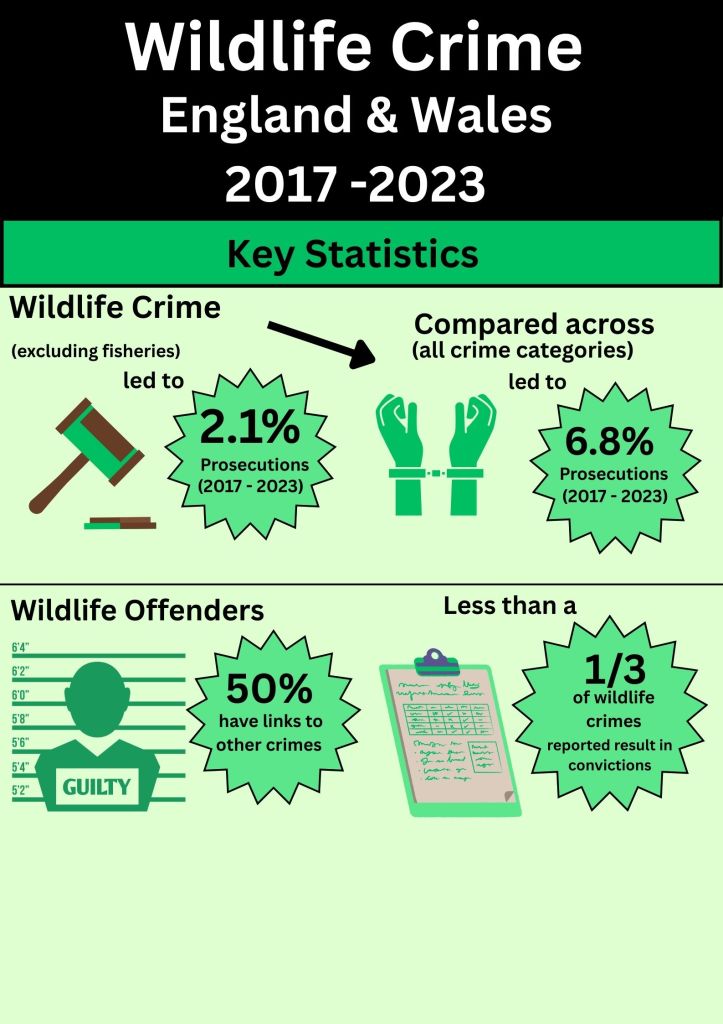
The latest statistics from the Countryside & Wildlife Link report, ‘Wildlife crime no minor offence’, published in 2024, highlight the main factors driving this crime. Wildlife crime resulted in far fewer prosecutions compared to other offenses. In England and Wales, 10,244 wildlife crimes were committed between 2017 and 2023. Leading to 216 prosecutions, which is a rate of 2.1 percent. Throughout England and Wales in 2023, a record 6,200 crimes were committed across all categories, with a conviction rate of 6.8.
Furthermore, John Armstrong of the Forensic Capability Network explains,
‘If you compare it to other crimes, like domestic violence or armed robbery or burglary, there’s loads of statistics around how many burglaries are committed every day, etc.’
The Wildlife and Countryside Link states in their report, unlike other crimes, wildlife crime is not notifiable, and the police will record incidents locally. This data does not filter into a regional or national database. Therefore, nobody knows the exact number of wildlife crimes committed, as the Home Office does not collect data. Armstrong believes one of the reasons this crime is under-reported because the way it’s defined,
‘I think that’s why, in the police service, it’s often referred to now as animal-related crime rather than wildlife crime. To try and emphasise those links to other crimes that are not just related to the injury or the abuse of an animal.’
‘I think that’s why, in the police service, it’s often referred to now as animal-related crime rather than wildlife crime. To try and emphasise those links to other crimes that are not just related to the injury or the abuse of an animal.’
This clearly makes more sense as an animal-related crime has a definition. The Wildlife and Countryside report reveals data from the International Fund for Animal Welfare (IFAW), which stated that 50 percent of wildlife offenders had links to other crimes, including firearms and violent crimes. The police services involved used DASH (Domestic Abuse, Stalking, Honour-Based Violence Risk Identification, Assessment Model). This method allows the police forces to question an individual about the mistreatment of animals as a sign of violence toward women. It is only possible if perpetrators are brought to justice.
‘There’s rarely CCTV in some of these locations where this might happen. And forensic evidence can be recovered in certain circumstances. But again, the offence has to be reported, or the incident has to be reported fairly quickly.’,
, Says Armstrong. Geoffrey Edmond, RSPCA Lead Wildlife Officer, agrees,
‘The difficulty we have, and we work collaboratively with the police is, sadly, often the RSPCA attend or the police may attend to find an animal in a horrendous state, sometimes having been killed, but without knowing who has done that.’
The Wildlife and Countryside report reveals data from the International Fund for Animal Welfare (IFAW), which stated that 50 percent of wildlife offenders had links to other crimes, including firearms and violent crimes.
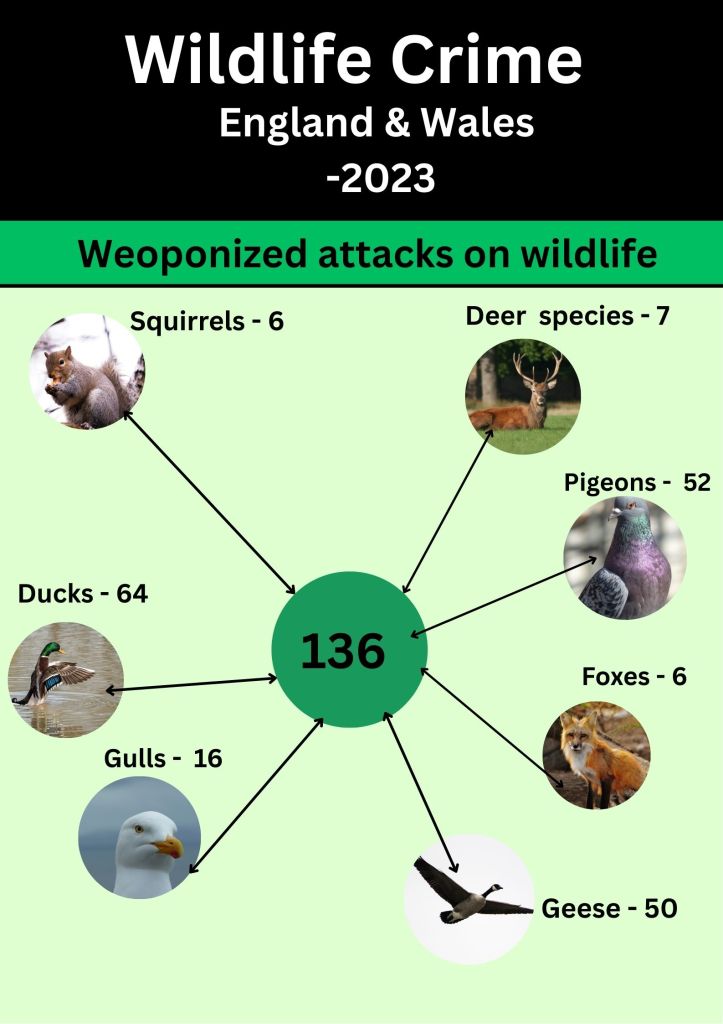
RSPCA statistics on weaponised attacks on wild animals are revealed in the Countryside and Wildlife Link report. In 2023, there were 136 weaponised attacks on 370 animals. A range of weapons was used, including slingshots, crossbows, air guns, and catapults. This data does not consider animals that had succumbed to their injuries; therefore, the statistics would be significantly higher. The most common species to be attacked were bird species, with 214 out of 370 wild animals and 20 wild mammals. As stated in the figures:
Birds
Ducks (64), Pigeons (52), Geese (50), Gulls (16)
Mammals
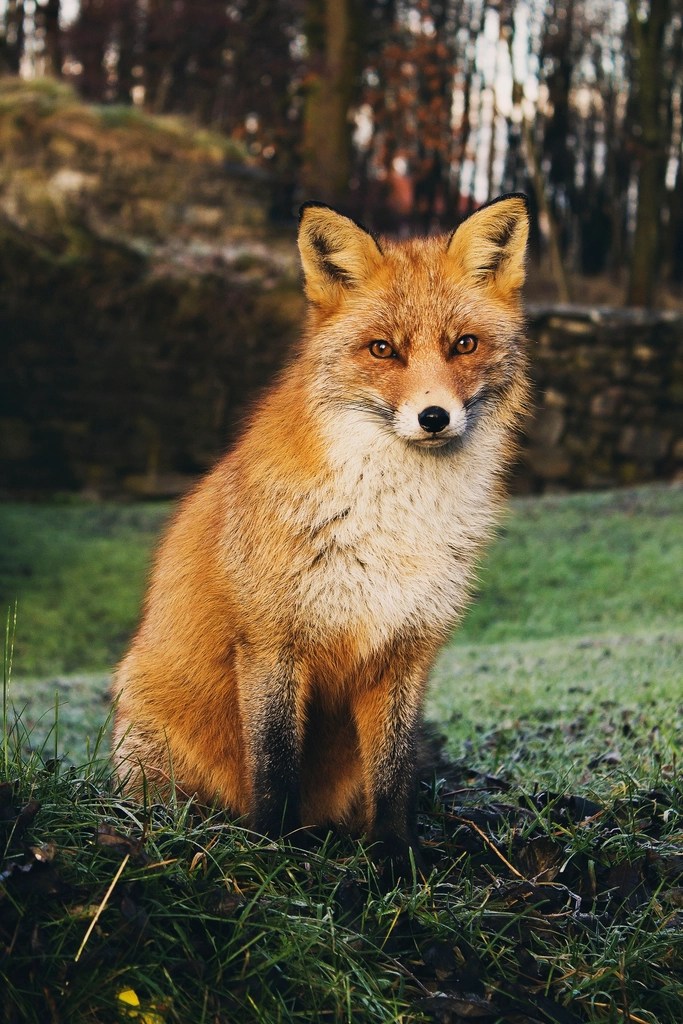
Grey Squirrels (6) , Deer species (7), Foxes (5)
However, UK wildlife is protected under several laws, which include the Wildlife and Countryside Act (1981) and the Animal Welfare Act (2006), which was recently updated in June 2021. Edmond explains,
‘And both these acts of legislation carry serious penalties for anyone taking an animal from the wild, injuring it, killing it, or causing it to suffer, which we’re often seeing far too often in these instances.’
The Animal Welfare Act now enforces much harsher sentences, stating that a person can be incarcerated for up to five years and face an unlimited fine. According to the gov.uk in April 2021, RSPCA Chief Executive, Chris Sherwood, said,
‘This law is a huge step forward for animal welfare in the UK, and we’re delighted that justice will now be served for animals.’
The Wildlife and Countryside Act (1981) is dependent on the type of offence that is committed because it covers a wide range of crimes, which include badger baiting, hare coursing, and bat persecution. In most circumstances, a summary conviction will result in penalties of up to six months’ imprisonment, a fine of £5,000, or both. Section 14 of this act states that, depending on the nature of the crime being committed, it can lead to a conviction on indictment of a defendant. Resulting in either an unlimited fine and/or up to two years in prison, also face a life ban from owning animals and forfeiting weapons and vehicles. Despite there being laws in place to safeguard British wildlife, the reporting of wild animal-related crimes and convictions is considerably low, with less than a third leading to prosecutions, according to the WCL report in 2023.
‘And both these acts of legislation carry serious penalties for anyone taking an animal from the wild, injuring it, killing it, or causing it to suffer, which we’re often seeing far too often in these instances.’
Wildlife-related crime in England and Wales does not have a sentencing structure that is befitting of this horrendous crime. Currently, the lack of guidelines in this area means judges often tend to go ahead with what are called lower-level sanctions, according to Wildlife and Countryside Link. The outcome of wild animal-related crimes results in a low fine, and it is rare for a group or an individual involved to receive a custodial sentence.
Armstrong believes the best way to tackle this crime is by having greater educational awareness,
‘It’s all about awareness, isn’t it, and the importance of it. In some parts of society, maybe it’s not considered important enough, this type of offence or this type of crime. And the only way you improve that is to increase people’s awareness and education about what the issues are and the ramifications.’
By stereotyping certain species, we are in danger of creating a competition where only the environment loses out
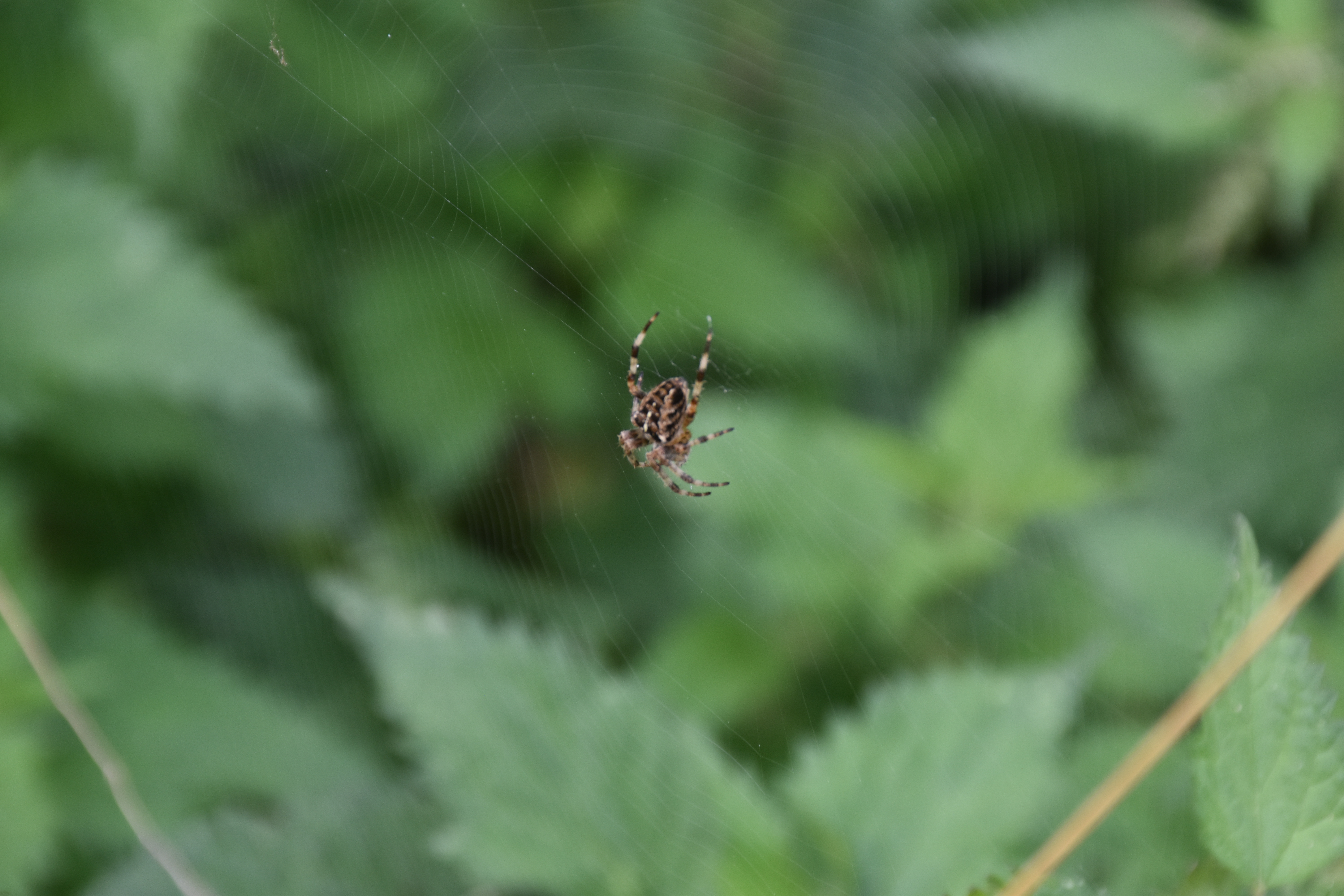
Photo of spider, Shropshire – by Ellie May Forrester
It is that time of the year again when we are all inundated with images of cute snow leopards and spooky spiders. Events like Halloween and Christmas exaggerate the features and behaviour of wild animals by placing human characteristics upon them. By taking this anthropomorphic approach we have created a culture of ignorance regarding our understanding of the natural world. For example, depicted bats sucking people’s blood and polar bears being friends with seals even though they are usually their lunch. The consequence of illustrating wildlife in this way is it results in people developing certain preferences for certain animals and not others. Leaving a dilemma for conservationists when deciding which animals are worth saving and which are not. For instance, people will donate their money to dolphins but not the tuna they rely on to survive. Given the greater awareness of climate change, and habitat destruction is it time to consider whole ecosystems and move away from focusing on just one animal?
Events like Halloween and Christmas exaggerate the features and behaviour of wild animals by placing human characteristics upon them.
The influence of anthropomorphism is deeply embedded in western culture and history from books, religious texts, art, newspapers, films, television, and social media. Some wildlife charities have harnessed this power to ensure that flagship species like tigers can thrive and that donations they will receive only be spent on them and not on other animals within that food chain. Yet other species suffer because of this especially if they are not considered charismatic or attractive in colour or appearance. A study by Frontiers in Psychology in 2020, revealed that unsightly animals such as worms, and rodents, triggered emotions of both fear and disgust because of the potential threat they presented to people’s livelihoods and health. Unfortunately, these animals end up more likely to be splashed all over the tabloids and mainstream media which then creates mass hysteria.
‘I think it impacts positively and negatively because it depends on how that anthropomorphic story is told.’
says, Paul Hetherington, Communications Officer at the charity, Buglife.
‘I think it impacts positively and negatively because it depends on how that anthropomorphic story is told.’
This statement rings true for many ecologists and conservationists who have spent countless years and money to counteract this misinformation. For example, films like Jaws did a real disservice to sharks making them out to be killer beasts that will murder people on mass. However, the likelihood of being attacked by a shark is substantially low. The mainstream media does not consider the different species of sharks and their feeding habits. In a world where the sheer volume of media makes it so easy to access news stories, the question of context and sources is largely forgotten.
‘Bed bugs from Paris invade the UK’, headlines like this immediately create a mania and fear. In a world where clickbait is king and advertising revenue has become a race for survival. Where shares, likes, and hashtags do matter the media has struck pure gold.
‘How people react to it and the impression it has on them can be a powerful tool to get people to understand why insects are what they are and do what they do.’
says, Hetherington.
Adding, ‘They do seem alien to us it is also a very easy way to demonise them. So, it cut both ways.’
Patrica Ganea a psychologist from the University of Toronto stated in an interview for The Guardian in a newspaper in 2016 that giving human characteristics to wildlife is detrimental. Resulting, in incorrect knowledge about an animal’s biological processes and its place in the natural world. Ganea additionally added that it could also lead to irresponsible behaviour such as wanting to adopt the animal as a pet or misunderstanding its action in the wild. These kinds of attitudes towards wildlife stem right back to the physical characteristics and different personalities we have established around certain species.
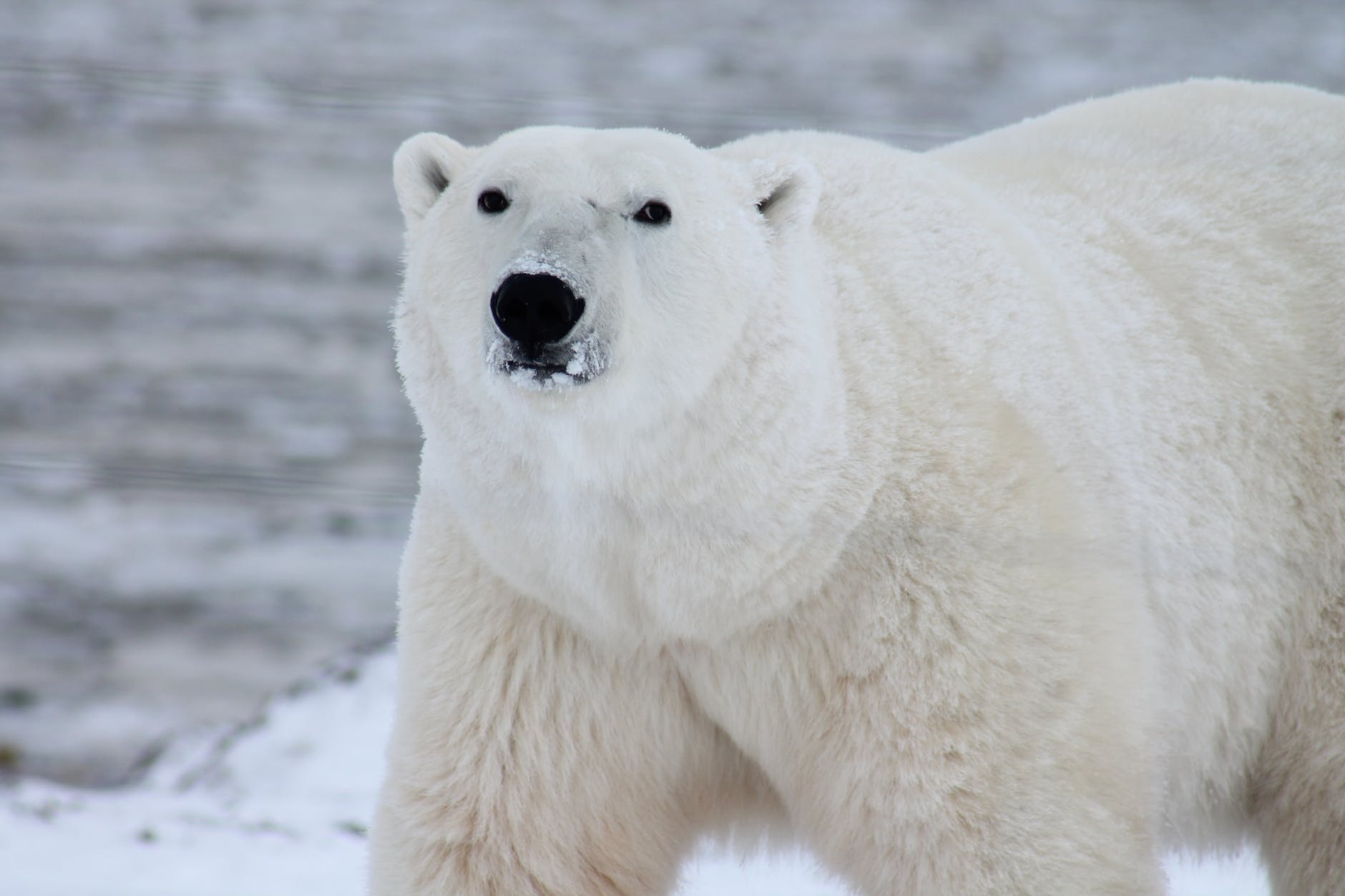
This festive season, we are pounded with advertisements to sponsor polar bears because they are cute, cuddly, and know all about Santa’s secret workshop in the North Pole. The reality couldn’t be further from the truth they are living on borrowed time with the acceleration of melting ice sheets this an issue that won’t repair itself anytime soon.
Maybe we all need to find our inner child again and go back to the basics of the habitats that surround us. It is only the small species that enable the larger ones to survive so spend time reconnecting to nature’s motions and rhymes again. Without your phone and twenty-four-hour news and the misconceptions it presents see the natural world as it is not how its portrayed.
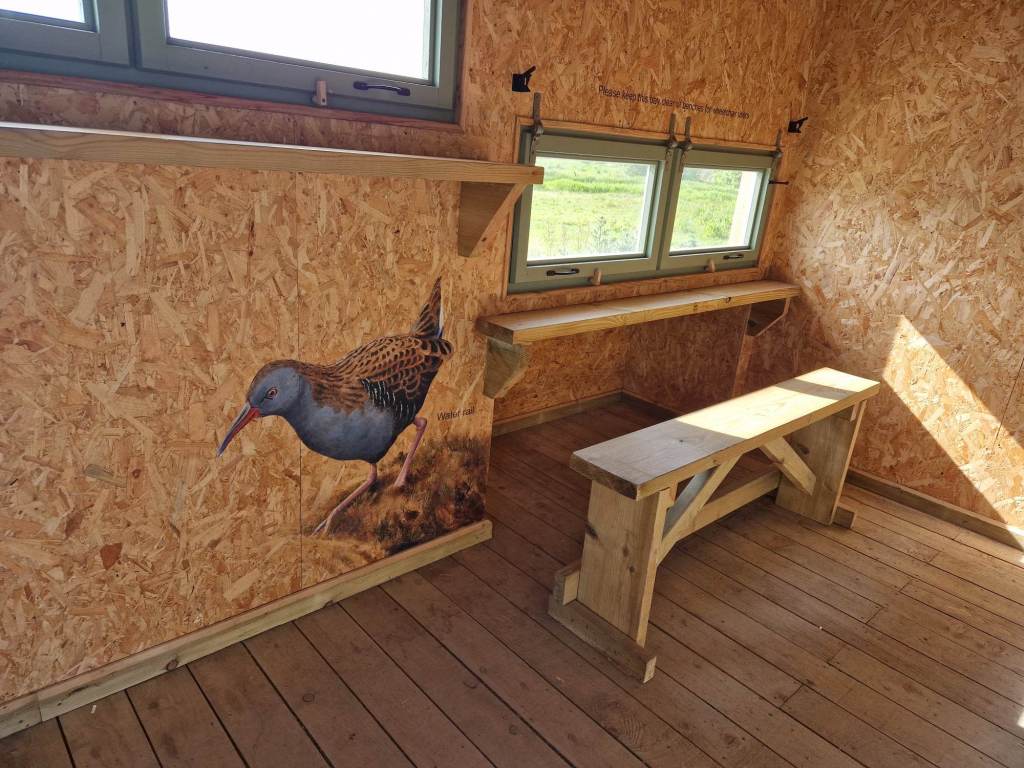
The UK’s third-largest lowland raised peat bog in Shropshire, the Marches Mosses Boglife project, has taken an innovative approach to making the site accessible to all. Both the Shropshire Wildlife Trust and Natural England engaged locally with disabled people to ensure that the 665-hectare site provides a wide range of access, including a bird hide and virtual reality headsets.
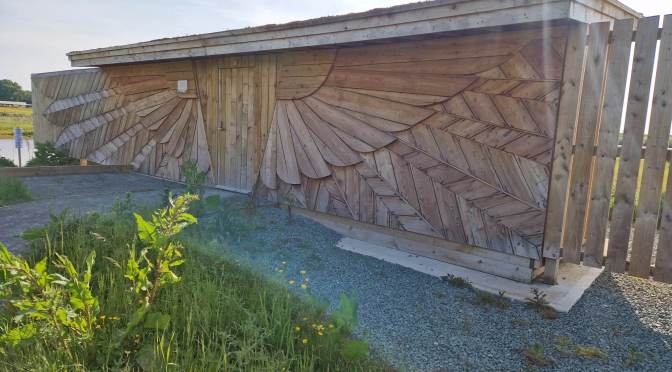
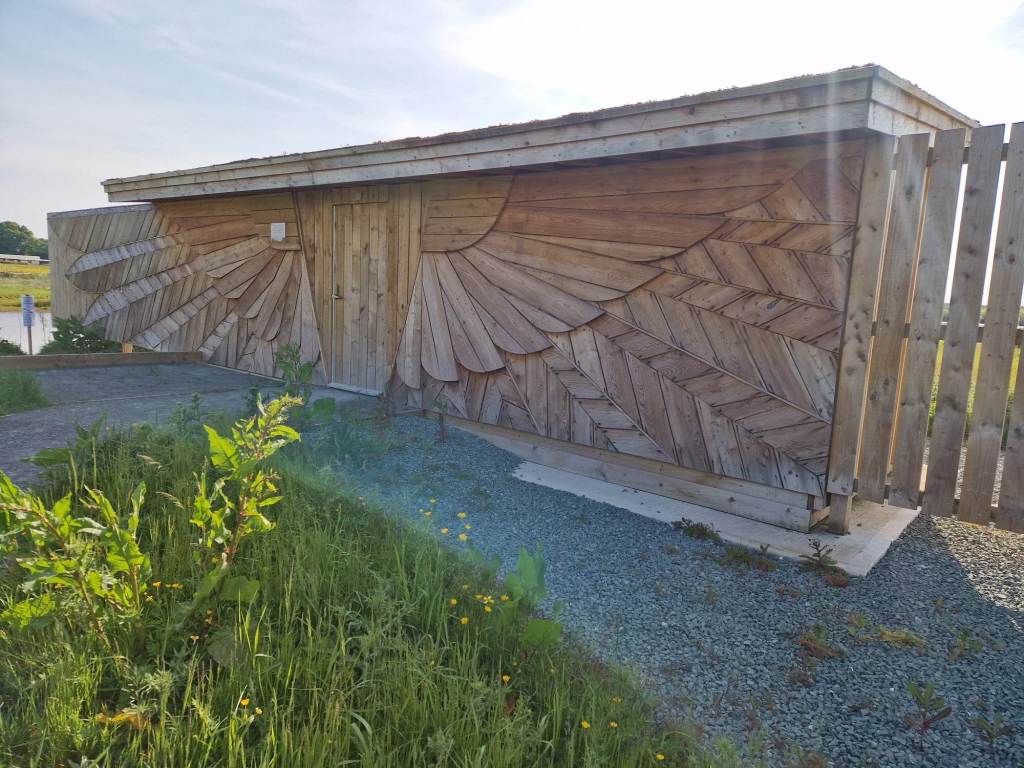
Bird Hide at the Marches Mosses by Sarah Lamb
The peat bog encompasses the Fenn’s, Whixall, and Bettisfield national nature reserves, Cadney, and Wem moss north of the county. The Marches Mosses are one of Shropshire’s most valuable habitats in the fight against climate change.
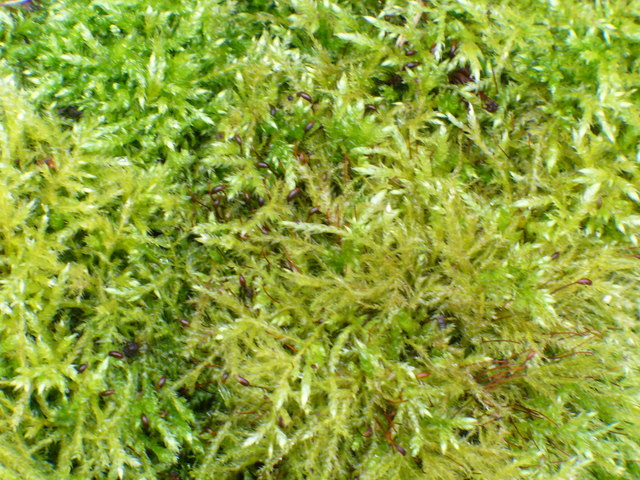
Covering three percent of the earth’s surface, lowland-raised peat bogs are becoming increasingly rare. Lowland-raised peat bogs are formed of sphagnum moss a central building block of peat. Their acidic waters enable specific plants to thrive. The habitat attracts a wide variety of species, including the Snipe, a ground-nesting bird that feeds on invertebrates. The Large Heath butterfly flourishes on the wet acidic peatland throughout its lifecycle.
In 2016, the National Lottery Heritage Fund awarded £5 million to the Shropshire Wildlife Trust. The Marches Mosses project was led by Natural England in partnership with Natural Resources Wales. The three organizations set up an ambitious five-year project to enhance the Marches and Mosses reserve and to restore 665 hectares of peat bog to its former glory, improving the eco-system, increasing biodiversity, safeguarding 1.1 million tonnes of carbon, and finally incrementing all ability access to enable more people to experience the site.
Natural England stated in 2018 that over twenty percent of people with mobility issues cannot access the countryside due to kissing gates and stiles on the public right way.
Sarah Lamb, a Natural England volunteer who has been involved in the Marches Mosses project since 2021 has fibromyalgia and is a wheelchair user, says,
‘I must plan and do some research to see if I can use that route or not. If there is somewhere I specifically want to go and there happens to be a phone number, I’ll try and ring up.’
The Equality Act 2010 states that public open spaces are governed by the law and ‘reasonable adjustments’ must take place where possible enabling disabled people to access nature. The Marches Mosses accessibility has taken several forms from the traditional to embracing new technology. It was important that, throughout the project, the views of disabled people were considered. With the Covid-19 outbreak and subsequent lockdowns, this was not always possible.
‘After it was built, I was asked to go in and have a look at it and see what I thought. The window ledges have been done right but little things, like the catch, were too high. When you opened the window, you couldn’t catch it. They need to be lower because no one with mobility issues is going to be able to open and close them. They changed that quickly, to be fair.’
Inside bird hide shows lower latch window
The owl-shaped bird hide was designed by Helen Shackleton and Lloyd Turner. It has wide entrance doors which are accessible for both wheelchair and mobility scooter users. There is a lower latch window enabling people to view birds, to take notes and photographs.
Stuart Edmund, former Shropshire Wildlife Trust Communication Officer, was inspired by the South Wales Wildlife Trust’s use of virtual reality headsets at their headquarters which allow visitors to observe dolphins without disturbing them. He developed birds-eye view drone footage of the peat bog for virtual reality headsets. He believes that this technology enhances the Marches Mosses experience,
‘Yes, it can play a big part, but it doesn’t replace the experience of visiting nature reserves. Using VR should be part of a package of access improvements.’
Despite all the obstacles which the Marches Mosses project has faced over the last five years, the collaboration has been beneficial to both disabled people and nature organizations.
Anna Martin, former Marches Mosses Event Officer, says,
‘We can do things right from the beginning, which would take away some of the barriers. For me, it is all about people with a lived experience of disability.’
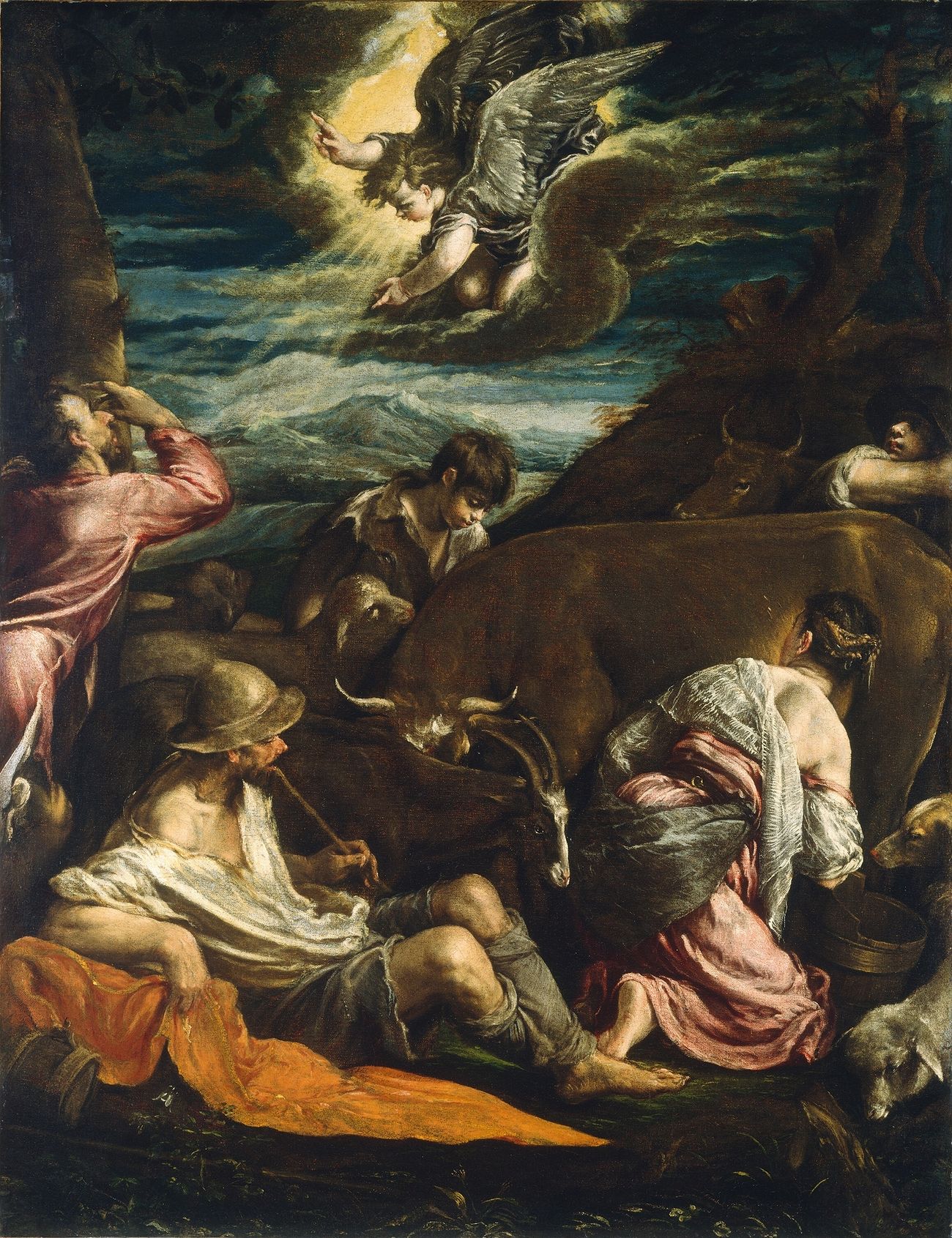
Both the sheep and shepherds play a vital part in the Nativity story because of their symbolism. The shepherds at that time would have been of a lowly class and were humble. The shepherds were the first people to be told of Jesus’s birth because he represents God’s lamb the ultimate sacrifice and therefore, no helpless lambs need to die for people’s sins. Sheep feature throughout the bible as they symbolise new life in the Nativity and at Easter.
And there were shepherds living out in the fields nearby, keeping watch over their flocks at night. 9 An angel of the Lord appeared to them, and the glory of the Lord shone around them, and they were terrified. 10 But the angel said to them, “Do not be afraid. I bring you good news that will cause great joy for all the people. 11 Today in the town of David a Savior has been born to you; he is the Messiah, the Lord. 12 This will be a sign to you: You will find a baby wrapped in cloths and lying in a manger.”
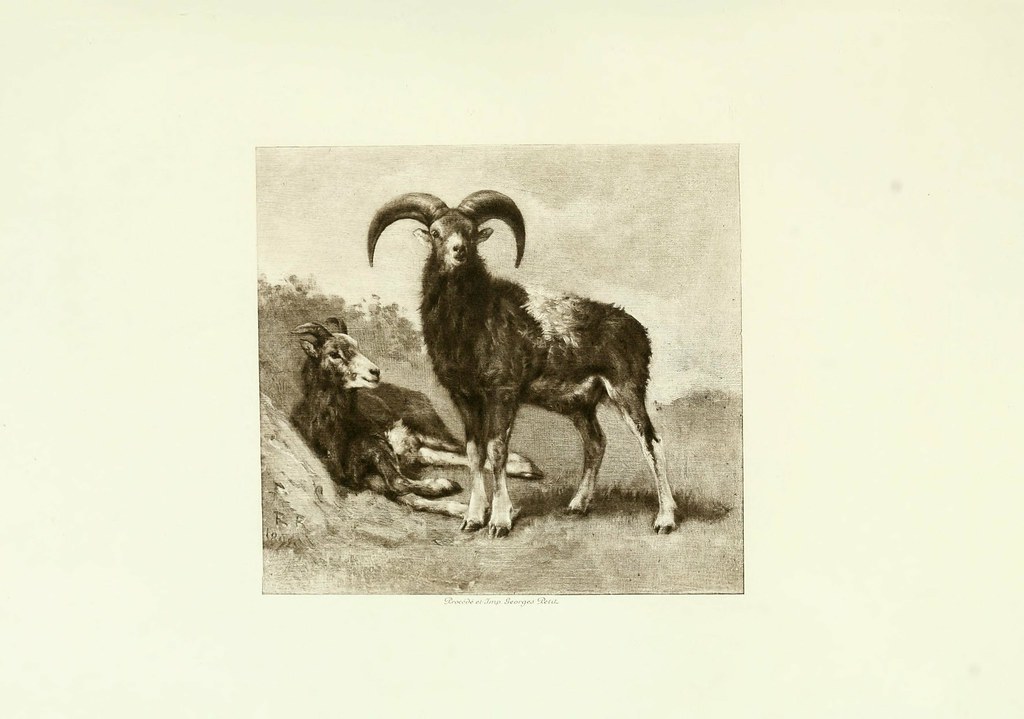
The Mouflon sheep, Ovis orientalis orientalis is the ancestor and of which there are two species that all domestic sheep have descended from. Their coats are reddish brown with a light-coloured saddle and dark brown stripes. The rams have striking horns that measure twenty -six to thirty-three inches in length and both rams and even ewes developing roman noses. Historically the mouflon sheep had a large range that spanned across northern and eastern Iraq, Iran, and the Caucasus, where they inhabited the mountain ranges. Additionally, mouflon sheep were previously bred in the Balkans and Crimea peninsula, as well as the Mediterranean islands. Currently, they are about three thousand mouflon sheep left in Cyprus and these form another subspecies.
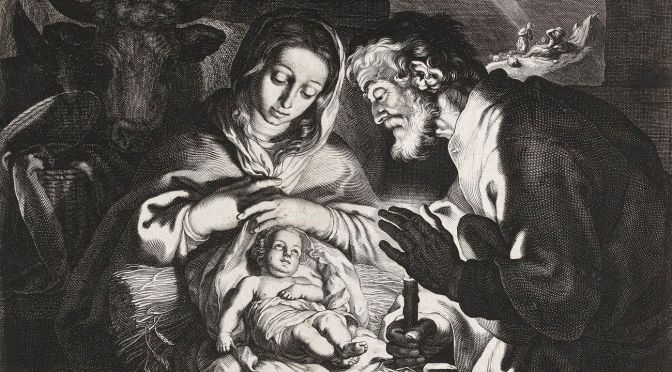
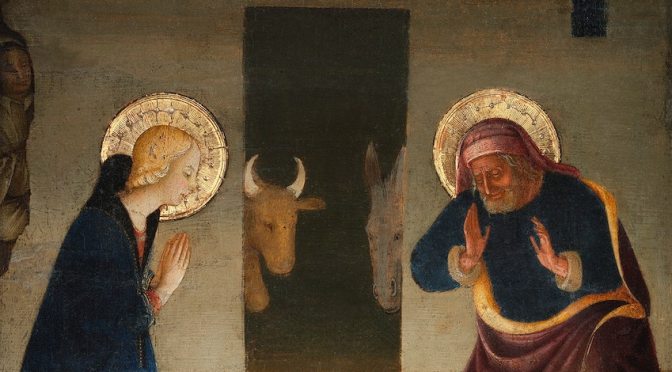
The ox is commonly placed alongside the donkey in the Nativity as they both represent different elements of Jesus’s life. A book from the medieval period called French Hours, illustrates the manger displayed in a domestic setting showing how these two animals are opposites. The donkey is playful as the baby is touching it whereas, the ox is serious as some believe that an ox is there to show Christ’s sacrifice.
The origins of the ox Bos primigenius– aurochs an extinct cow species which inhabited Africa, Europe, and Asia an early wild ancestor of Bos taurusdomestic cattle. The earliest remains of Bos primigenius aurochs are from two million years ago and were discovered in India. The aurochs were larger than their later domestic descents with males weighing up to a thousand kilos, making them desirable to Neanderthals and men. Aurochs were subsequently hunted from Ancient Egypt to Rome where they were used for fighting and by the thirteenth century, there was only a small number left in eastern Europe and the last individual aurochs went extinct in 1627 in Jaktorów, Poland. This one ancestor has led to five wild species of cows which have been domesticated.
It has been widely debated by scholars if there was an ox and donkey even present at the birth of Jesus and in the gospels of Matthew and Luke, no animals feature. In the seventh to eighth century AD the Gospel of Pseudo-Matthew, Chapter 14 states that:
And on the third day after the birth of our Lord Jesus Christ, the most blessed Mary went forth out of the cave, and entering a stable, placed the child in the stall, and the ox and the ass adored Him. Then was fulfilled that which was said by Isaiah the prophet, saying: The ox knoweth his owner, and the ass his master’s crib. [2] The very animals, therefore, the ox and the ass, having Him in their midst, incessantly adored Him.
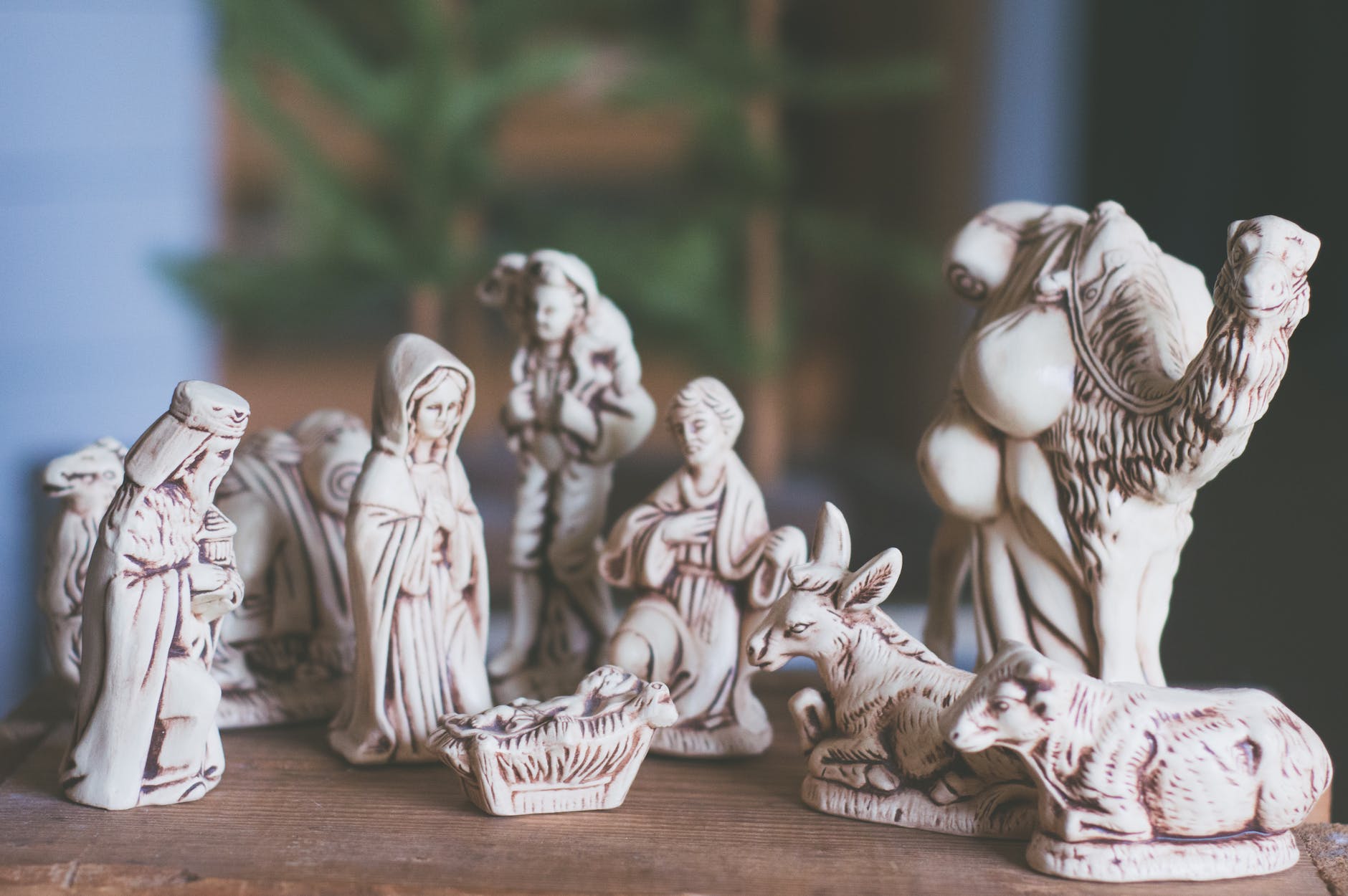
The Christmas period is filled with the images of animals from robins to reindeer. One of the most important images to feature on Christmas cards and decorations is the nativity. Have you ever wondered about the animals’ origins and their roles in this iconic Christmas scene? This series explores the species that surround the manger.
The Donkey
Often perceived as stubborn and described as beasts of burden, donkeys have a fascinating origin and are essential to all nativities. Early Christians of the fourth century created windows and alfresco nativity scenes which featured a donkey alongside an ox. According to the prophet Isaiah in the Old Testament,
“The ox knows its owner and the donkey its master’s manger; Israel has no knowledge, my people have no understanding” (Isa 1: 2-3).
Historians have interpreted this scripture to mean that both animals know their place by serving people in their livelihoods, such as working in the fields or in the marketplace. In a recent article published in Science, researchers found evidence that donkeys first became domesticated seven thousand years ago when herders in Kenya and the Horn of Africa began taming Equus africanus –wild African ass. Five thousand years ago domesticated donkeys began to expand their range as trading spread from Egypt to Sudan, and by two thousand five hundred years ago the species had populations in Asia and Europe.
In the time of the nativity, donkeys were a common form of transport and would have been the only transport option available for people of Joseph and Mary’s status.
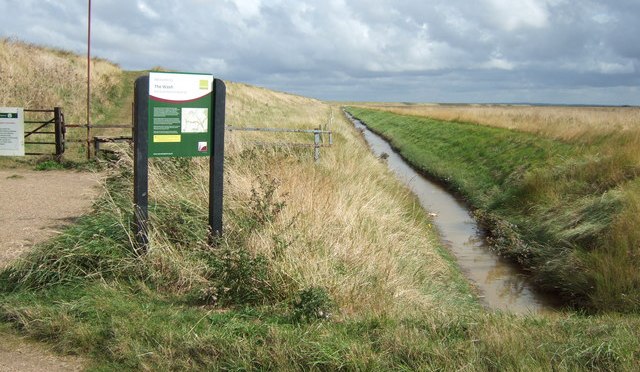
Plans have been put forward on The Wash in East Anglia to build an ‘unworkable’ tidal barrage regardless of the damage it could cause. The estuary would be redeveloped to produce electricity, which will cost nearly double per MWh compared to any modest carbon energy source and have a major impact on one UK’s most important wetlands.
The RSPB, alongside the Norfolk Wildlife Trust, Lincolnshire Wildlife Trust, the Wildfowl and Wetland Trust, and Wild Ken Hill Estate have joined forces to ask the government and developers to reassess this proposal and to avoid devastating impact on the habitat and wildlife.
The Wash estuary is home to several species, including England’s largest common seal population, and salt marshes which are feeding grounds for curlews and oystercatchers. Building a tidal barrage would essentially modify the intertidal habitats that animals rely on. A barrier would be erected across The Wash’s mouth, altering the tidal flow both in and out of the estuary and might lead to more flooding and substantial coastal erosion.
Businessman, James Sutcliffe, CEO of Centre Port Holdings Ltd, is managing the plans, which now include a deep-water port. Construing a deep-water port in the shallow waters of the Wash could be challenging because intense dredging would need to be maintained. Currently, it’s not clear what impact this would have on the ports of Boston and King’s Lynn.
Centre Port Holdings Ltd, is planning to bring about a major source of tidal energy to 600,000 homes and businesses, creating local job opportunities such as multi-skilled apprenticeships and working with schools and universities, levelling up the coastal towns of Boston, Skegness, Kings Lynn, and Wisbech. Additionally, major flood defences are going to be built to ensure the Wash’s nature reserves and wildlife areas do not disappear. This could happen within two generations.
“It’s absolutely necessary to look at where the UK sources its energy and how we produce more of it ourselves from renewable sources, but we have to make sure we’re striking the right balance for nature.
“The Wash is one of the most complex coastal habitats, known for its hydrology and stunning range of wildlife. Spending millions of pounds on assessments and surveys is a waste of time and money that could be better spent on more workable, established solutions to generate green energy, such as wind and solar power.”
Adding,
“Based on the current evidence that demonstrates the destruction this would bring to The Wash, we consider this project a non-starter.”
At a time when the UK is reconsidering its energy strategy and moving towards green alternatives, the balance between protecting nature and addressing the climate crisis is likely to become more complex in the future.
The UK is brimming with spectacular bird life throughout the winter months from gardens to parks, and hedgerows. This is a particularly good time of year to see birds from the order of passerine which can be recognized by their toe formation, with three toes pointing forward and another one facing backward which enables them to perch on branches.
Here are five species to look out for:
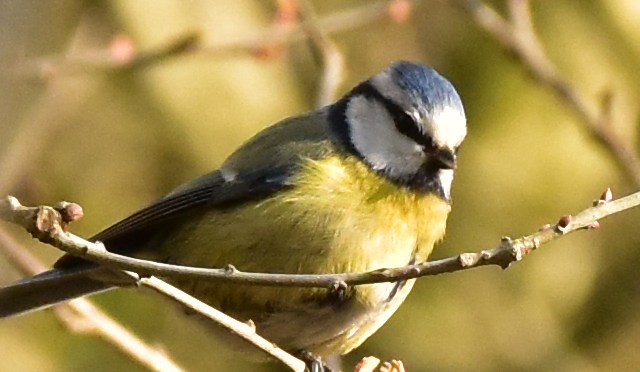
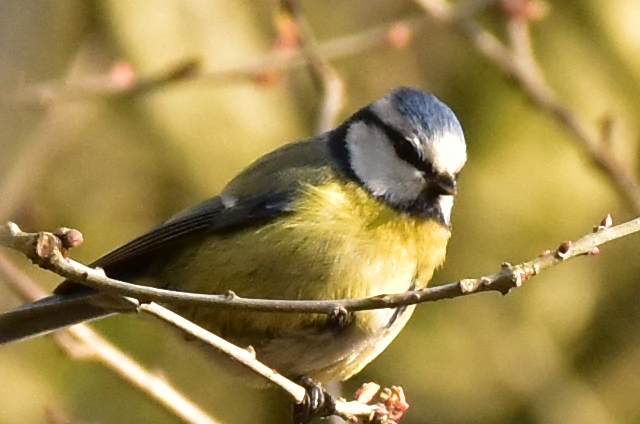
Blue Tit
The blue tit is instantly recognizable by its colourful assortment of plumage, which includes blue, yellow, white, and green. In the winter, they can be observed feeding in family flocks and are often joined by other tit species. Blue tits are regularly confused with great tits because they share the same colour feathers. An easy way to distinguish between both species is to look at their marking. The head of the great tit is black and white with a broad black bib that runs centrally through its yellow underparts. Whereas the blue tit has a blue crown, a white face, and black eye stripes.
Blue tit perched on a branch – photo by Ellie May Forrester
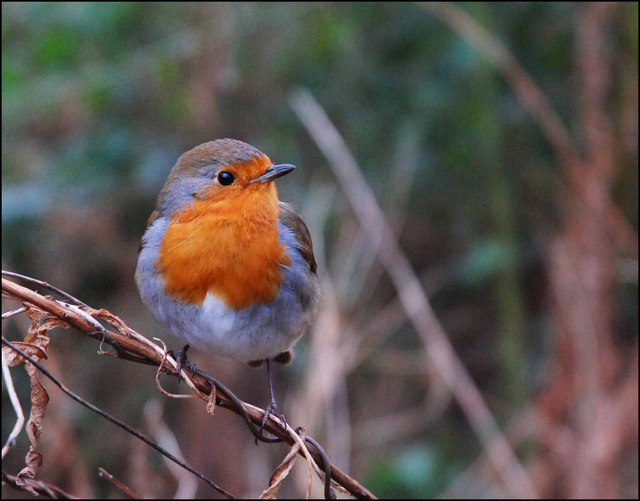
2. Robin
The robin is one of the UK’s most iconic bird species and is immediately recognizable because of its red breast and face it also has a brown feathered back and a yellowish-white belly. Robins have a wingspan of twenty to twenty-two centimetres and can weigh between fourteen to twenty-one grams. Unlike, the adorable birds that adorn our Christmas cards every year, robins are very territorial and will actively scare intruders away.
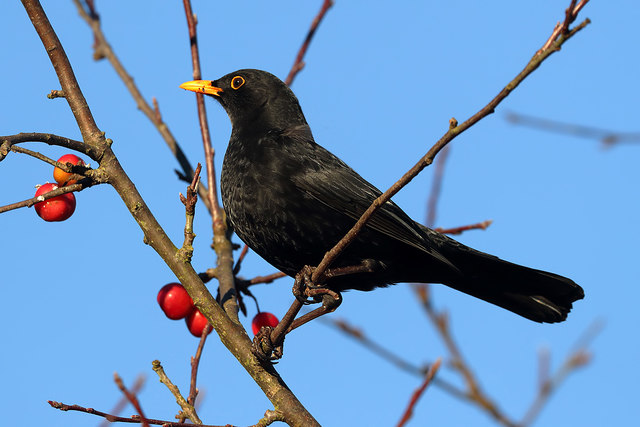
The male blackbird has a yellow-ringed eye, yellow beak, and black plumage. Whereas the female has brown feathers and a brown beak. They eat a wide range of food including earthworms, caterpillars, and berries. Blackbirds are seen often foraging in the undergrowth where they turn over leaves looking for food.
The long-tail tit is a small black, white, and pink fluffy feathered bird with a tail that makes up half its body length. Long-tail tits have a distinctive broad black stripe over their eyes and can be seen in flocks of up to twenty birds. These are gregarious and noisy birds that huddle together throughout the winter. Their flight is weak and undulating as they string from one tree to another.
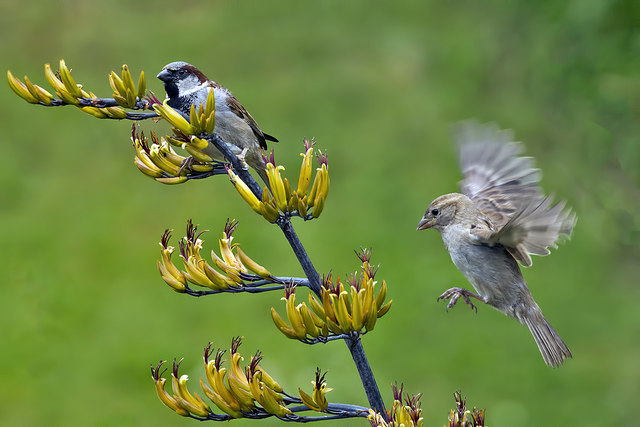
The male and female house sparrows are distinctively different in their markings and colourful plumage. Males have a chestnut brown mantle, a grey crown, and a black chin and throat. Females are plain brown with grey under-parts and their back feathers are made up of both black and brown stripes. Being gregarious in nature has allowed the house sparrow to exploit human rubbish enabling them to colonize the globe.
Image Description: Electric car green and white car being charged. Photo by Mike B on Pexels.com
Shropshire motorists who are already using electric and hybrid vehicles will be gaining on-street electric vehicle charging points in their hometowns. A successful bid for Government funding has enabled Shropshire Council to invest nearly £1000,000 in more on-the-street charging points.
Ian Nellins, Shropshire Council’s Cabinet member for climate change, environment, and transport says, “We’re committed to improving and developing infrastructure to enable residents and businesses to lead more sustainable and self-sufficient lives, which in turn helps reduce the impacts of climate change on our environment. Providing more electric vehicle charging points that are accessible to all motorists is just one of the ways we are delivering on this priority.”
Adding, “This is one of the biggest awards to have been made to any council under the on-street residential charging points scheme from the Office of Zero Emission Vehicles, and it means we can add 270 more charge points to our streets and car parks to benefit the growing number of hybrid and EV owners in the county.”
“This is one of the biggest awards to have been made to any council under the on-street residential charging points scheme from the Office of Zero Emission Vehicles“
The Office for Zero Emissions, with support from the Energy Saving Trust, has been awarded £902,940 to install the on-street charging points in Shropshire. The county is currently ranked sixty-five out of three hundred and seventy-five local authorities for its number of charge points. This new development will boost Shropshire to eleventh place, within the top three percent nationally.
Shropshire Council is expecting to add four to twelve charging points in each of seventeen chosen areas:
Albrighton – Crown Hotel and High Street
Bridgnorth – Innage Lane and Listley Street North
Broseley – Bridgnorth Road and Dark Lane
Church Stretton – 6 Essex Road and Easthope 1-4
Cleobury Mortimer – Childe Road East, Childe Road West and St Mary’s Lane
Clun – High Street
Gobowen – Railway Station
Highley – High Street, 25 Woodhill Road
Ludlow – Galdeford Zone A, Corve Street and Broad Street
Market Drayton – Frogmore Road
Much Wenlock – Falcons Court
Oswestry – Edward Street, Wats Drive and Lloyd Street
Prees – Church Street
Shifnal – Aston Street, 56 Broadway and Victoria Road
Shrewsbury – Bainbridge Green, 131 Copthorne Road, 93 New Park Road, 79 Bishop Street, and Abbey Foregate
Wem – Aston Street and Mill Street
Whitchurch – Castle Hill, Newtown, Sherrymill Hill, St John’s Street and George Street
Ian Nellins says, “The locations have been chosen using insight from data which predicts the locations of early adopters of technology in residential areas where properties have little / no off-street parking. The installation is intended to give them confidence in their ability to access chargers when and where they need them”.
At a time when drivers are considering alternative forms of energy, this news is welcome and will eventually enable more Shropshire residents to make the switch.









 THE UNTAMED BEAST