
All posts by Ellie May Forrester

A Higher Sentencing secures a successful future for Scottish Badgers


Image description - badger wondering  through the grass - Photo by Leo Sam on Pexels.com
Image description – badger wondering through the grass – Photo by Leo Sam on Pexels.com

There is good news for Scottish badgers as a recent case has resulted in a higher sentence being given to a former gamekeeper, Rhys Davies, who was involved in badger baiting at the Millden Estate in Scotland. Davies, from Gwynedd, North Wales, received a sentence of eight months imprisonment and was ordered to pay a fine of £1,800. The Milden Estate has indicated that they were not aware of Davies’s crimes.

The horrific crimes Davies committed toward wildlife were further exposed when he tried to get professionally printed photographs of his ‘trophies’ and was subsequently arrested. A photo lab technician reported Davies to SSPCA having viewed one of his images, which showed both a badger and a dog fighting.   

When the police raided Davies’s estate cottage in October 2019, the degree of animal abuse that had taken place was revealed. Dogs were found with hideous injuries and kept in squalid conditions, whilst the inside was scattered with dead wildlife and unsecured firearms. Veterinarians later stated that dogs had substantial injuries from regular fights with badgers. The dogs had facial and bodily mutilation where they had been treated with DIY treatments, which included using unapproved medicines and staple guns to avoid him contact with vets, who would have reported him for animal offenses.

The dogs had facial and bodily mutilation where they had been treated with DIY treatments, which included using unapproved medicines and staple guns

The sentence Davies has received is one of the heaviest ever imposed for organised badger baiting. This crime was prosecuted under the Animal Health and Welfare (Scotland) Act, 2006, because of the seriousness of the dogs’ injuries.  The legislation was updated in 2020, with a potential increase in the sentencing of up to five years and unlimited fines. Davies received eight months imprisonment and a fine of £1,800.

“A custodial sentence sends a clear message to anyone who wants to use dogs to bait and maim wildlife – they will be punished for it.”, says, SSPCA Chief Supt, Mike Flynn.

This crime has highlighted that the Badger Protection Act 1992 is not always effective in its primary purpose to protect badgers from being persecuted. Therefore, the Badger Trust is campaigning for the law to be strengthened in line with Animal Welfare and the (sentencing) Act, 2021. An offender would receive a maximum sentence of five years for abusing a badger as they would if it’s a dog.   
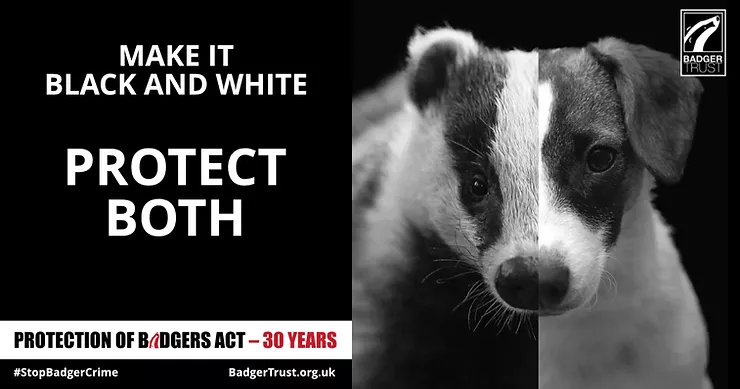
Image description: The Badger Trust-  poster showing a divided photo with a badger on the left and on the right a terrier dog which is black and white and their noses are joined together. On the left side in white text on a black background it says, MAKE BLACK AND WHITE PROTECT BOTH. A white strip at the bottom which says Protection of Badgers Act -30 and underneath #StopBadgerCrime
Image description: The Badger Trust- poster showing a divided photo with a badger on the left and on the right a terrier dog which is black and white and their noses are joined together. On the left side in white text on a black background it says, MAKE BLACK AND WHITE PROTECT BOTH. A white strip at the bottom which says Protection of Badgers Act -30 and underneath #StopBadgerCrime

Currently, wildlife crimes such as the persecution of badgers are not notifiable to the Home Office. As wildlife is not recorded in this way, there are no official national statistics. Increasing sentencing would by default make a crime under the Badger Protection Act a notifiable offence.

To find out more information about the Badger Trust click here
Historic First Sentence – For Speedboat Driver Who “Corralled” Dolphins


On the 9th of July 2021, Christopher Barker, 45, from Brompton-By- Saward, North Yorkshire, was seen driving his speed boat, disturbing a pod of bottlenose dolphins feeding near the shore of Scarborough’s South Bay.

This led to an investigation by North Yorkshire Police resulted in Barker being charged with the intention of or carelessly disturbing a dolphin which is an offense under the Wildlife and Countryside Act 1981.  Barker pleaded guilty on the 9th of June 2022 and subsequently had to pay a two-hundred-pound fine plus a victim surcharge fee and prosecution costs bringing the overall total to three hundred and four pounds.

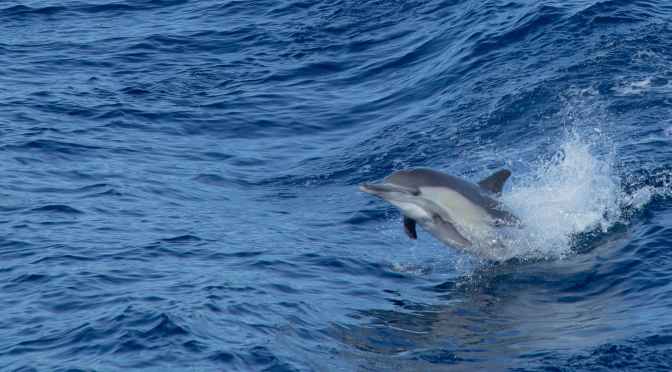
Image descripton – A pod of bottlenose dolphins diving in and out of the waves – Photo by Pexels User on Pexels.com

“Dolphins are an intelligent, social species, often living in large communal groups. Over recent years sightings of dolphins off the Yorkshire coast have increased dramatically, proving popular with locals and tourists alike. But this has also led to an increased risk of human interference”, said, PC Graham Bilton, Wildlife Crime Officer for North Yorkshire Police, who investigated the case. 

In addition, Bilton added;

“Cetaceans such as whales, dolphins, and porpoises are especially susceptible to disturbance, both physically and acoustically, and are legally protected here in the UK.

I urge all boat and watercraft operators to act responsibly and respect the marine environment. We are extremely lucky in North Yorkshire to have such diverse wildlife. It’s important that we enjoy, protect, and live alongside it.

North Yorkshire Police is committed to investigating offences which have a detrimental effect on our wildlife, and I hope that this prosecution underlines that message.”

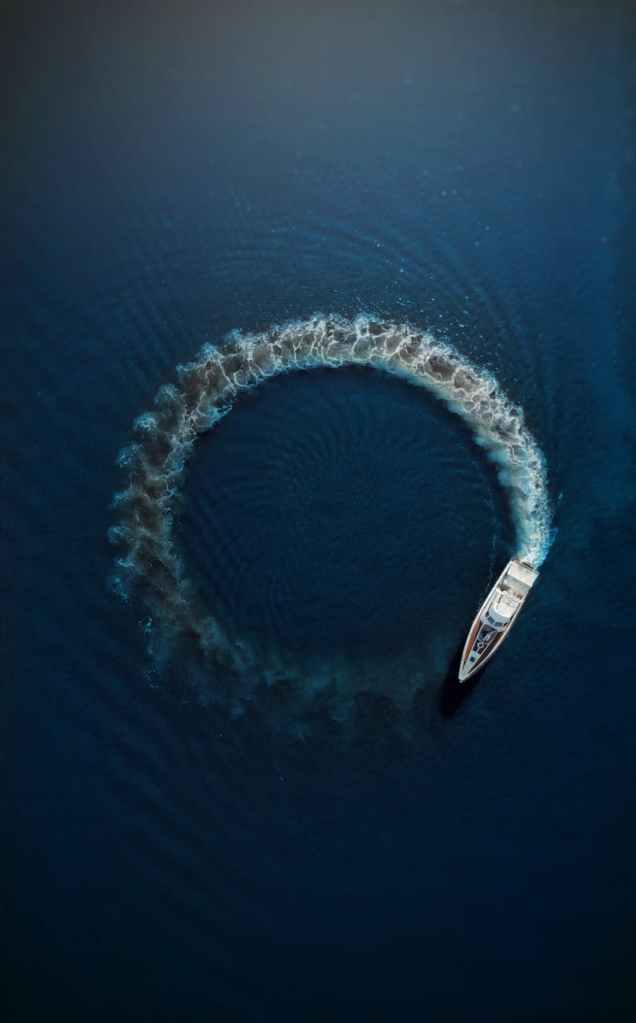
Image Description – A speedboat circling in the sea – Photo by Sanndy Anghan on Pexels.com

Working in collaboration with North Yorkshire Police were other agencies including, RSPCA Operation Seabird, and the Crown Prosecution Service. Enabled a successful partnership that achieved the desired result for all involved. 

Geoff Edmond, RSPCA Inspectorate National Wildlife Coordinator, said,

“This was clearly unacceptable behaviour, and combined determination to investigate the dolphin disturbance, in this case, has been achieved with the help from the members of the public who witnessed this incident and who were themselves very concerned about what they saw taking place.”

The successful outcome in North Yorkshire, however, is not something that has been reflected throughout England and Wales. In New Quay Bay, West Wales within Cardigan Bay Special Area of Conservation, the bottlenose dolphin population are under considerable threat from speed/motorboats.  Research revealed earlier this year that eighteen to twenty-nine percent of recreational vessels have been ignoring the voluntary code of conduct in place to protect marine mammals. The impact of boat traffic on bottlenose dolphins can include death, injury, breeding success, and behaviour changes, for instance, increasing diving intervals.

Historically this case is significantly important because it is the first time that someone has been prosecuted for distressing dolphins. It sets a positive precedent and deterrent. 

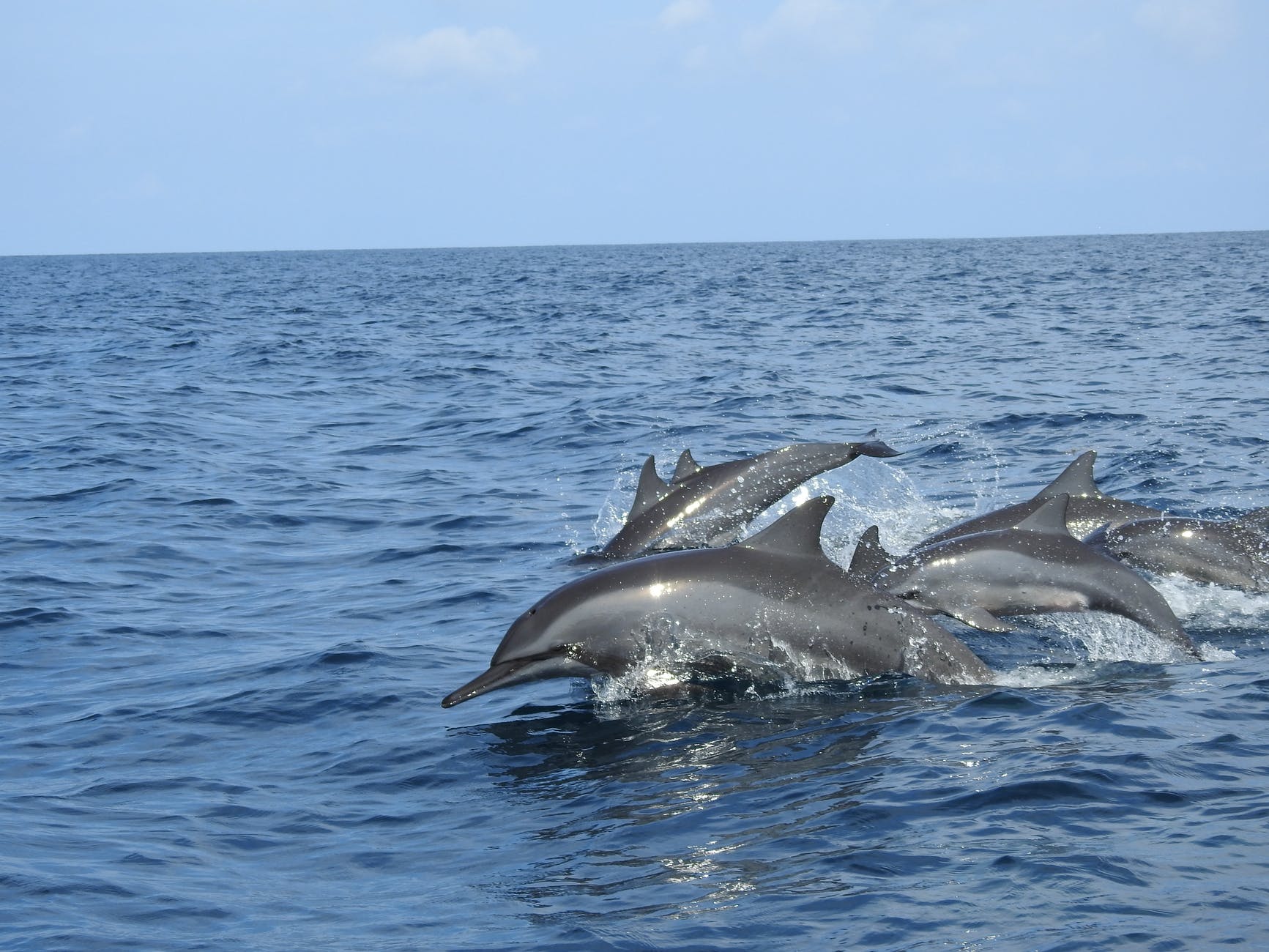
Image Description – Bottlenose dolphin pod Photo by Jeremy Bishop on Pexels.com