Category Archives: Natural History

Animals of the Nativity – The Sheep

Both the sheep and shepherds play a vital part in the Nativity story because of their symbolism. The shepherds at that time would have been of a lowly class and were humble.  The shepherds were the first people to be told of Jesus’s birth because he represents God’s lamb the ultimate sacrifice and therefore, no helpless lambs need to die for people’s sins.  Sheep feature throughout the bible as they symbolise new life in the Nativity and at Easter. 
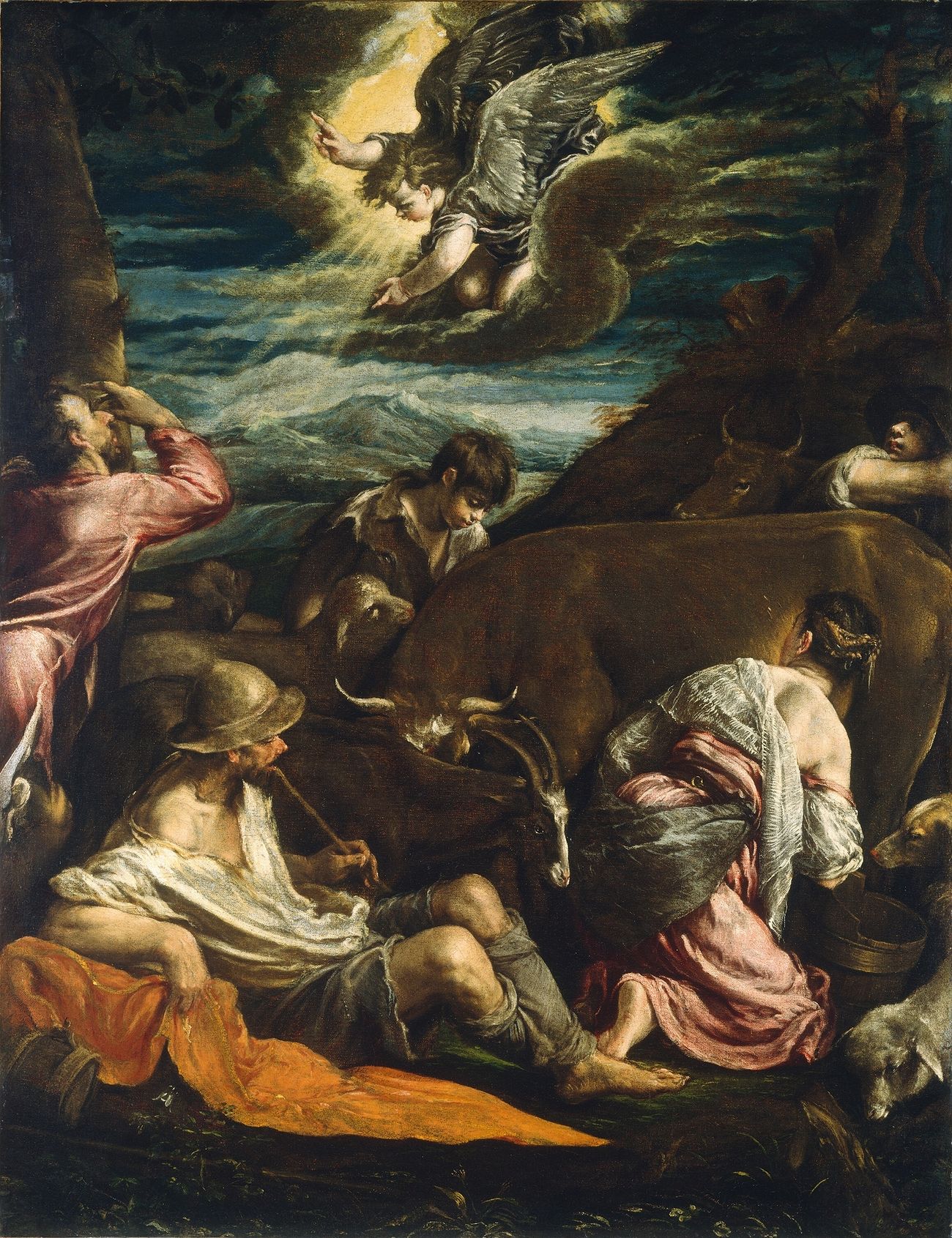
And there were shepherds living out in the fields nearby, keeping watch over their flocks at night. An angel of the Lord appeared to them, and the glory of the Lord shone around them, and they were terrified. 10 But the angel said to them, “Do not be afraid. I bring you good news that will cause great joy for all the people. 11 Today in the town of David a Savior has been born to you; he is the Messiah, the Lord. 12 This will be a sign to you: You will find a baby wrapped in cloths and lying in a manger.”

Luke 2:8
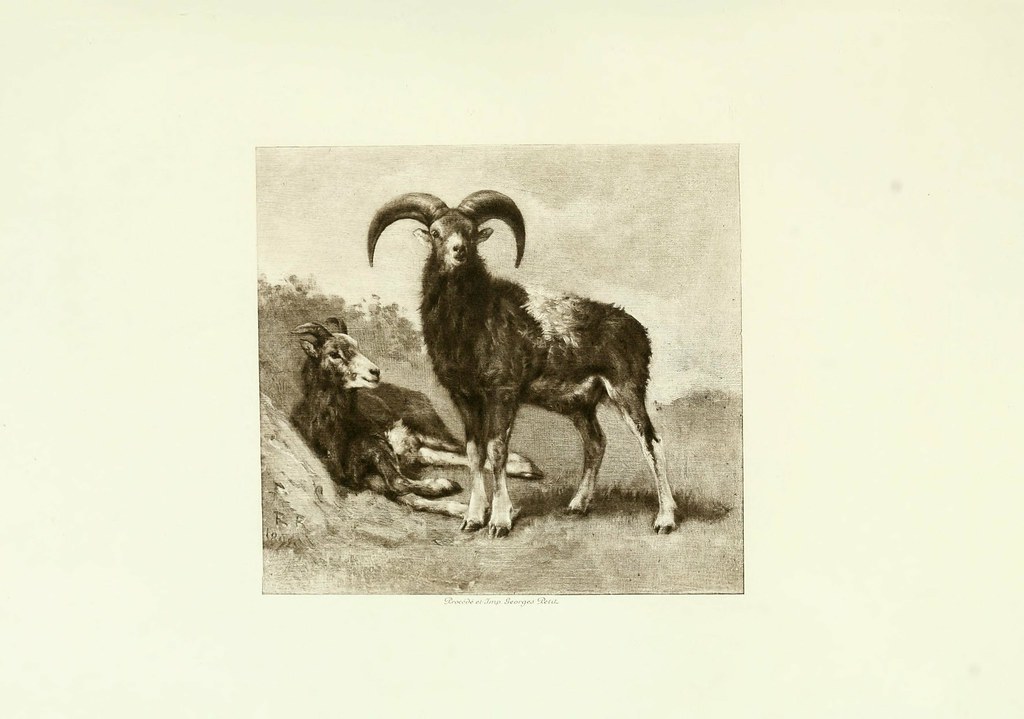
mouflon by BioDivLibrary is licensed under CC-PDM 1.0

The Mouflon sheep, Ovis orientalis orientalis is the ancestor and of which there are two species that all domestic sheep have descended from.  Their coats are reddish brown with a light-coloured saddle and dark brown stripes. The rams have striking horns that measure twenty -six to thirty-three inches in length and both rams and even ewes developing roman noses.  Historically the mouflon sheep had a large range that spanned across northern and eastern Iraq, Iran, and the Caucasus, where they inhabited the mountain ranges.  Additionally, mouflon sheep were previously bred in the Balkans and Crimea peninsula, as well as the Mediterranean islands.  Currently, they are about three thousand mouflon sheep left in Cyprus and these form another subspecies.
Animals of the Nativity – The Ox

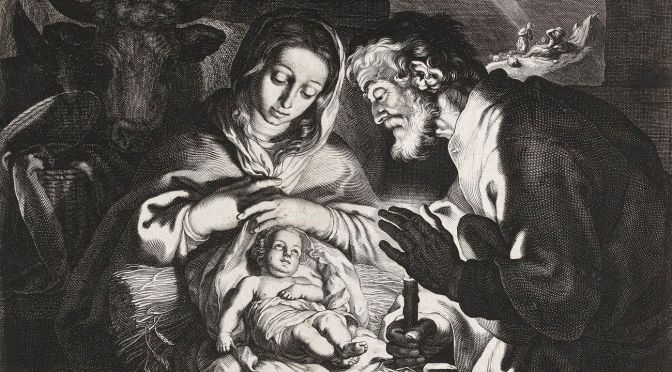
The ox is commonly placed alongside the donkey in the Nativity as they both represent different elements of Jesus’s life. A book from the medieval period called French Hours, illustrates the manger displayed in a domestic setting showing how these two animals are opposites. The donkey is playful as the baby is touching it whereas, the ox is serious as some believe that an ox is there to show Christ’s sacrifice.

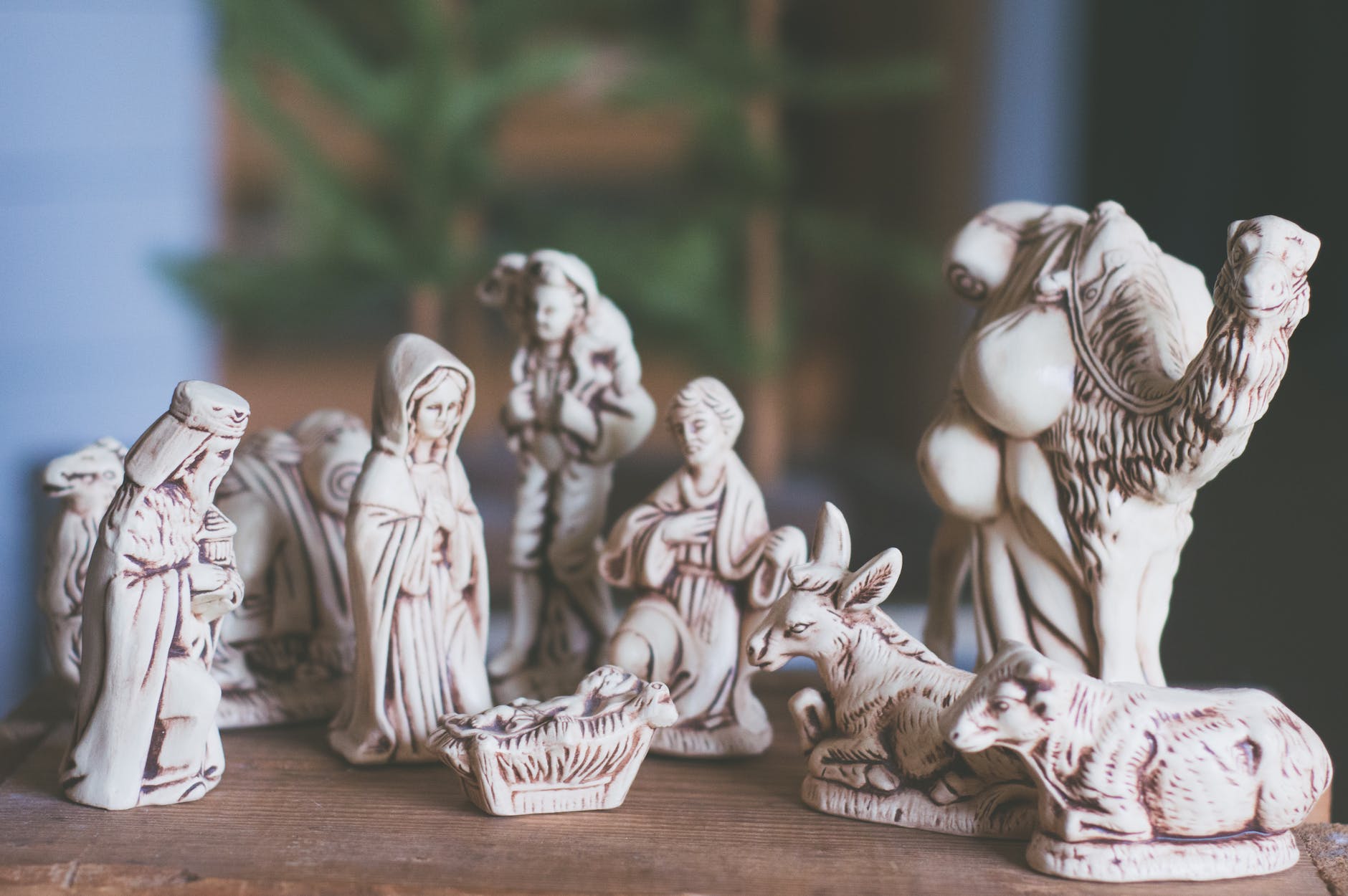
Photo by Jessica Lewis Creative on Pexels.com

The origins of the ox Bos primigenius– aurochs an extinct cow species which inhabited Africa, Europe, and Asia an early wild ancestor of Bos taurus domestic cattle. The earliest remains of Bos primigenius aurochs are from two million years ago and were discovered in India. The aurochs were larger than their later domestic descents with males weighing up to a thousand kilos, making them desirable to Neanderthals and men. Aurochs were subsequently hunted from Ancient Egypt to Rome where they were used for fighting and by the thirteenth century, there was only a small number left in eastern Europe and the last individual aurochs went extinct in 1627 in Jaktorów, Poland. This one ancestor has led to five wild species of cows which have been domesticated. 

It has been widely debated by scholars if there was an ox and donkey even present at the birth of Jesus and in the gospels of Matthew and Luke, no animals feature. In the seventh to eighth century AD the Gospel of Pseudo-Matthew, Chapter 14 states that:

And on the third day after the birth of our Lord Jesus Christ, the most blessed Mary went forth out of the cave, and entering a stable, placed the child in the stall, and the ox and the ass adored Him. Then was fulfilled that which was said by Isaiah the prophet, saying: The ox knoweth his owner, and the ass his master’s crib. [2] The very animals, therefore, the ox and the ass, having Him in their midst, incessantly adored Him.

Animals of the Nativity- The Donkey

The Christmas period is filled with the images of animals from robins to reindeer. One of the most important images to feature on Christmas cards and decorations is the nativity. Have you ever wondered about the animals’ origins and their roles in this iconic Christmas scene? This series explores the species that surround the manger.

The Donkey

Often perceived as stubborn and described as beasts of burden, donkeys have a fascinating origin and are essential to all nativities. Early Christians of the fourth century created windows and alfresco nativity scenes which featured a donkey alongside an ox.  According to the prophet Isaiah in the Old Testament

“The ox knows its owner and the donkey its master’s manger; Israel has no knowledge, my people have no understanding” (Isa 1: 2-3).

Historians have interpreted this scripture to mean that both animals know their place by serving people in their livelihoods, such as working in the fields or in the marketplace. In a recent article published in Science, researchers found evidence that donkeys first became domesticated seven thousand years ago when herders in Kenya and the Horn of Africa began taming Equus africanus – wild African ass. Five thousand years ago domesticated donkeys began to expand their range as trading spread from Egypt to Sudan, and by two thousand five hundred years ago the species had populations in Asia and Europe

According to the charity, Spana, there are forty-two million working donkeys worldwide. Unlike their domestic relatives, Equus africanus – wild African ass, is critically endangered, according to the International Union for Conservation of Nature.  There are currently only twenty-three to two hundred Equus africanus in the wild today.  

In the time of the nativity, donkeys were a common form of transport and would have been the only transport option available for people of  Joseph and Mary’s status.