Tag Archives: Christmas

By Stereotyping Certain Species Are We Endanger of Destroying Entire Ecosystems 


By stereotyping certain species, we are in danger of creating a competition where only the environment loses out
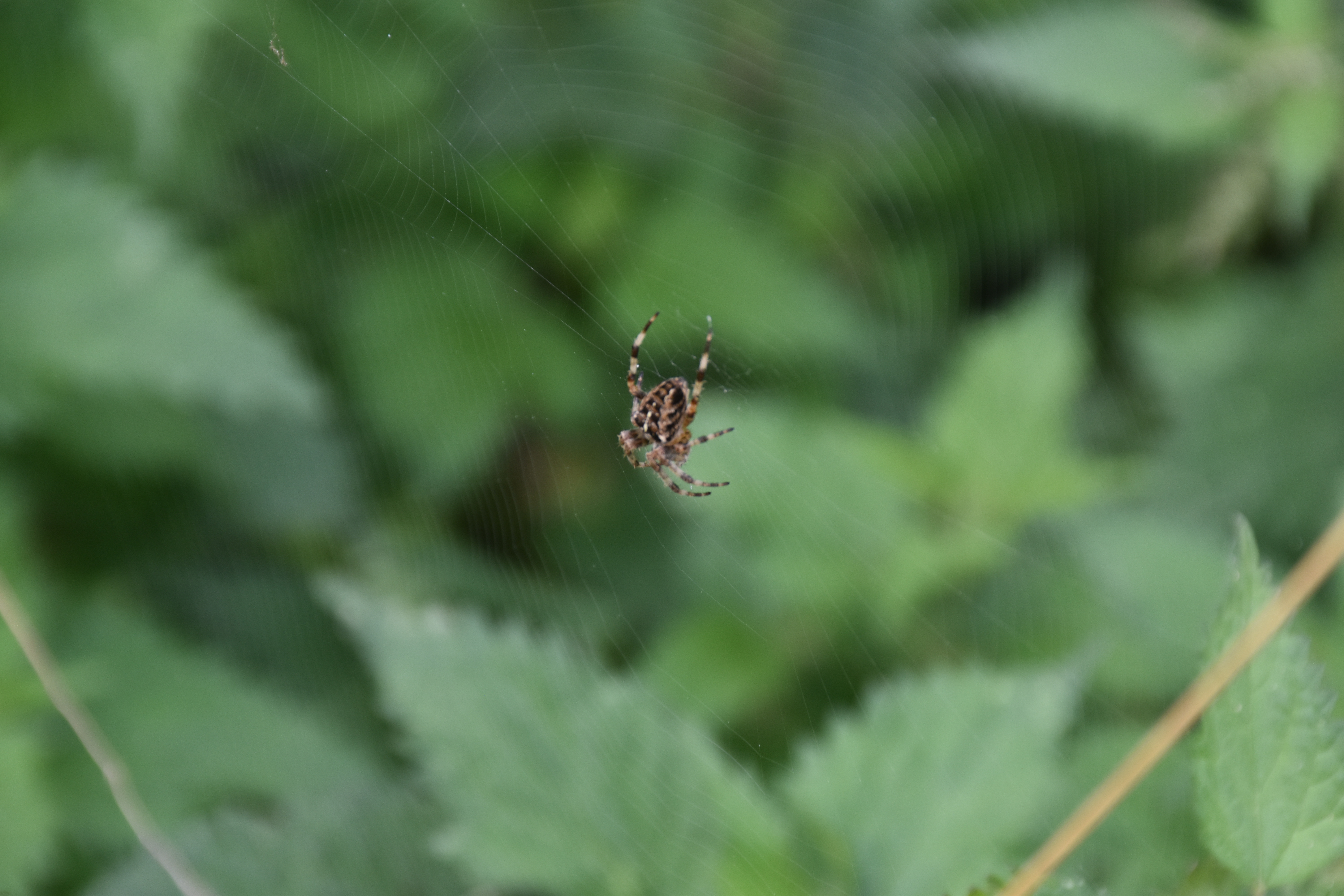


Photo of spider, Shropshire – by Ellie May Forrester

It is that time of the year again when we are all inundated with images of cute snow leopards and spooky spiders. Events like Halloween and Christmas exaggerate the features and behaviour of wild animals by placing human characteristics upon them.  By taking this anthropomorphic approach we have created a culture of ignorance regarding our understanding of the natural world. For example, depicted bats sucking people’s blood and polar bears being friends with seals even though they are usually their lunch. The consequence of illustrating wildlife in this way is it results in people developing certain preferences for certain animals and not others. Leaving a dilemma for conservationists when deciding which animals are worth saving and which are not. For instance, people will donate their money to dolphins but not the tuna they rely on to survive. Given the greater awareness of climate change, and habitat destruction is it time to consider whole ecosystems and move away from focusing on just one animal?

Events like Halloween and Christmas exaggerate the features and behaviour of wild animals by placing human characteristics upon them.

The influence of anthropomorphism is deeply embedded in western culture and history from books, religious texts, art, newspapers, films, television, and social media.  Some wildlife charities have harnessed this power to ensure that flagship species like tigers can thrive and that donations they will receive only be spent on them and not on other animals within that food chain. Yet other species suffer because of this especially if they are not considered charismatic or attractive in colour or appearance. A study by Frontiers in Psychology in 2020, revealed that unsightly animals such as worms, and rodents, triggered emotions of both fear and disgust because of the potential threat they presented to people’s livelihoods and health. Unfortunately, these animals end up more likely to be splashed all over the tabloids and mainstream media which then creates mass hysteria. 


‘I think it impacts positively and negatively because it depends on how that anthropomorphic story is told.’

says, Paul Hetherington, Communications Officer at the charity, Buglife.

I think it impacts positively and negatively because it depends on how that anthropomorphic story is told.’

This statement rings true for many ecologists and conservationists who have spent countless years and money to counteract this misinformation. For example, films like Jaws did a real disservice to sharks making them out to be killer beasts that will murder people on mass. However, the likelihood of being attacked by a shark is substantially low.  The mainstream media does not consider the different species of sharks and their feeding habits. In a world where the sheer volume of media makes it so easy to access news stories, the question of context and sources is largely forgotten. 

‘Bed bugs from Paris invade the UK’, headlines like this immediately create a mania and fear. In a world where clickbait is king and advertising revenue has become a race for survival. Where shares, likes, and hashtags do matter the media has struck pure gold.

‘How people react to it and the impression it has on them can be a powerful tool to get people to understand why insects are what they are and do what they do.’

says, Hetherington.

Adding,  ‘They do seem alien to us it is also a very easy way to demonise them. So, it cut both ways.’

Patrica Ganea a psychologist from the University of Toronto stated in an interview for The Guardian in a newspaper in 2016 that giving human characteristics to wildlife is detrimental. Resulting, in incorrect knowledge about an animal’s biological processes and its place in the natural world. Ganea additionally added that it could also lead to irresponsible behaviour such as wanting to adopt the animal as a pet or misunderstanding its action in the wild. These kinds of attitudes towards wildlife stem right back to the physical characteristics and different personalities we have established around certain species.
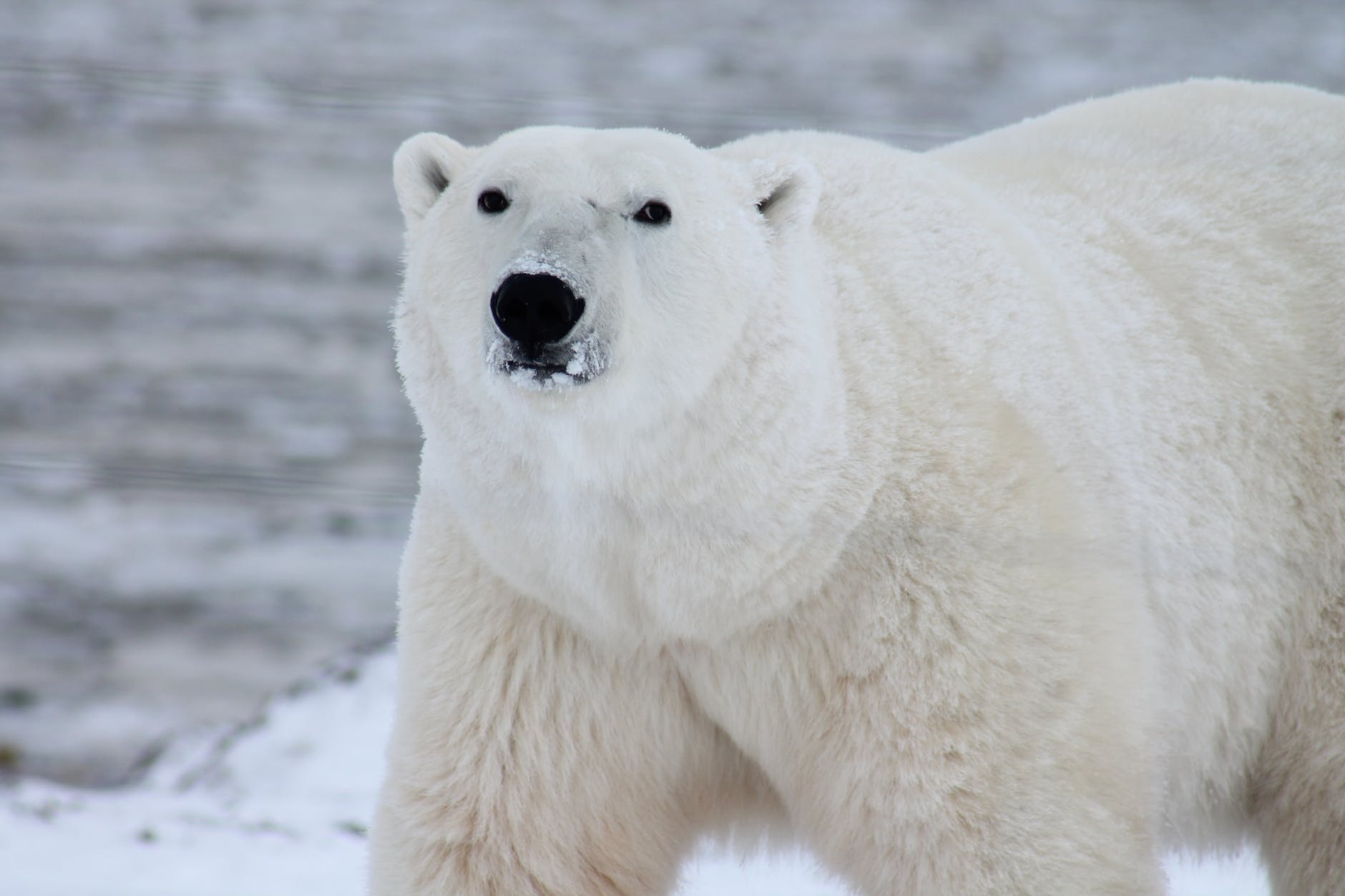
 

Photo by Pixabay on Pexels.com

This festive season, we are pounded with advertisements to sponsor polar bears because they are cute, cuddly, and know all about Santa’s secret workshop in the North Pole.  The reality couldn’t be further from the truth they are living on borrowed time with the acceleration of melting ice sheets this an issue that won’t repair itself anytime soon.  

Maybe we all need to find our inner child again and go back to the basics of the habitats that surround us.  It is only the small species that enable the larger ones to survive so spend time reconnecting to nature’s motions and rhymes again. Without your phone and twenty-four-hour news and the misconceptions it presents see the natural world as it is not how its portrayed.  

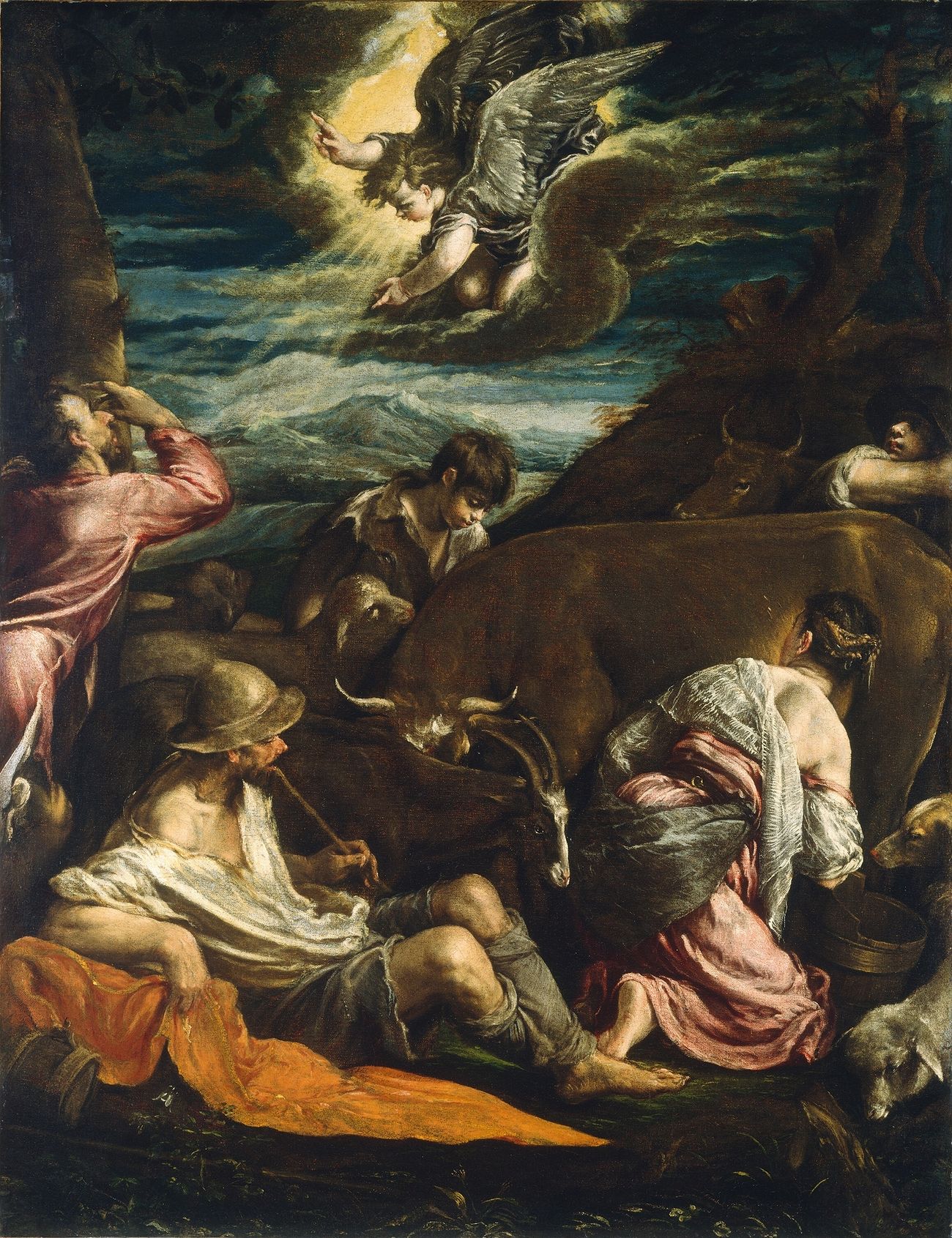
Animals of the Nativity – The Sheep

Both the sheep and shepherds play a vital part in the Nativity story because of their symbolism. The shepherds at that time would have been of a lowly class and were humble.  The shepherds were the first people to be told of Jesus’s birth because he represents God’s lamb the ultimate sacrifice and therefore, no helpless lambs need to die for people’s sins.  Sheep feature throughout the bible as they symbolise new life in the Nativity and at Easter. 

And there were shepherds living out in the fields nearby, keeping watch over their flocks at night. An angel of the Lord appeared to them, and the glory of the Lord shone around them, and they were terrified. 10 But the angel said to them, “Do not be afraid. I bring you good news that will cause great joy for all the people. 11 Today in the town of David a Savior has been born to you; he is the Messiah, the Lord. 12 This will be a sign to you: You will find a baby wrapped in cloths and lying in a manger.”

Luke 2:8

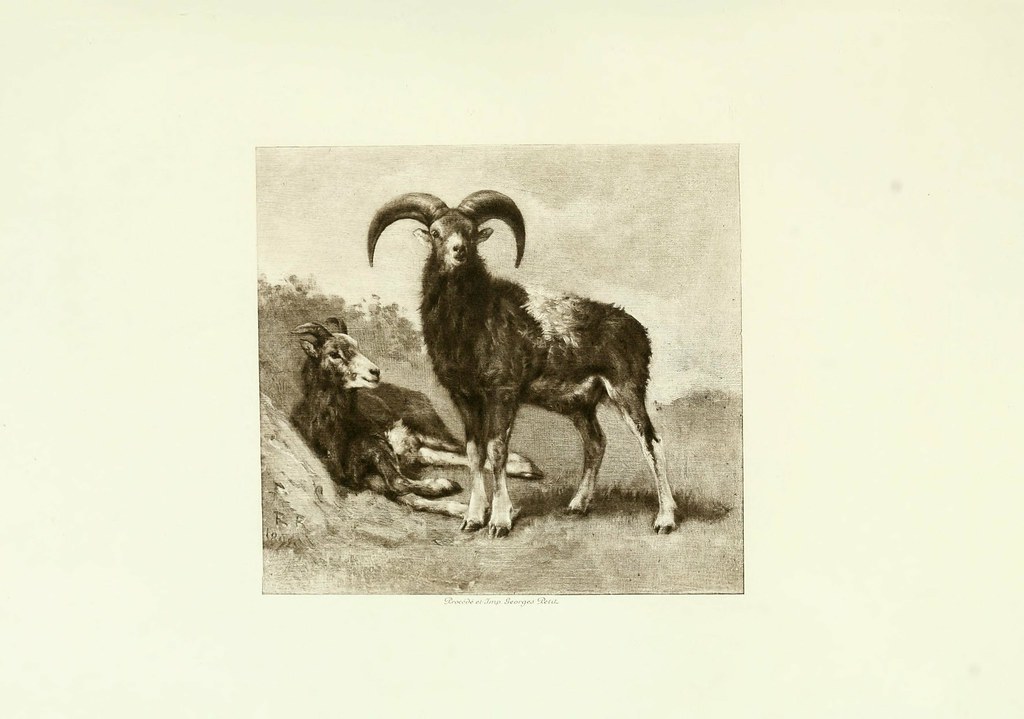
mouflon by BioDivLibrary is licensed under CC-PDM 1.0

The Mouflon sheep, Ovis orientalis orientalis is the ancestor and of which there are two species that all domestic sheep have descended from.  Their coats are reddish brown with a light-coloured saddle and dark brown stripes. The rams have striking horns that measure twenty -six to thirty-three inches in length and both rams and even ewes developing roman noses.  Historically the mouflon sheep had a large range that spanned across northern and eastern Iraq, Iran, and the Caucasus, where they inhabited the mountain ranges.  Additionally, mouflon sheep were previously bred in the Balkans and Crimea peninsula, as well as the Mediterranean islands.  Currently, they are about three thousand mouflon sheep left in Cyprus and these form another subspecies.

Animals of the Nativity – The Ox

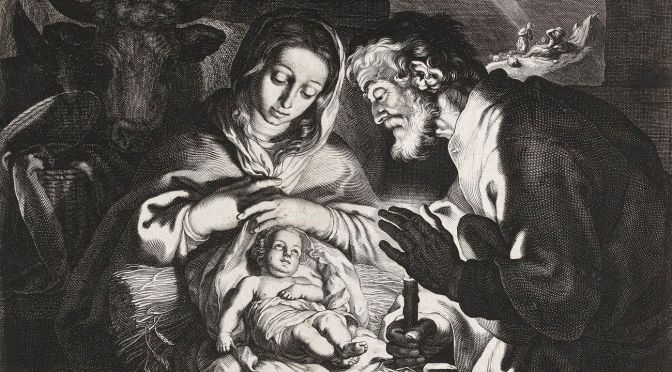
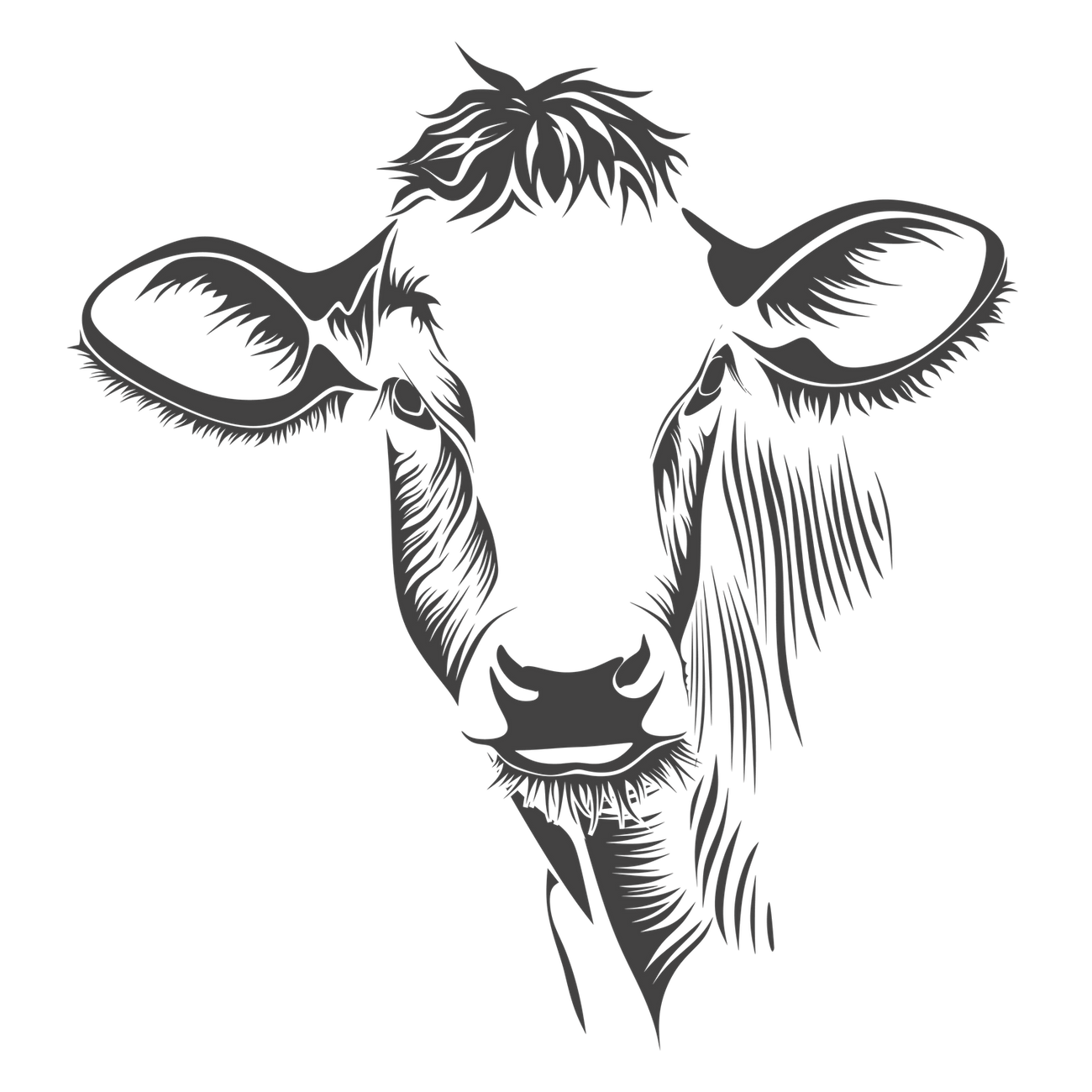
The ox is commonly placed alongside the donkey in the Nativity as they both represent different elements of Jesus’s life. A book from the medieval period called French Hours, illustrates the manger displayed in a domestic setting showing how these two animals are opposites. The donkey is playful as the baby is touching it whereas, the ox is serious as some believe that an ox is there to show Christ’s sacrifice.

Photo by Jessica Lewis Creative on Pexels.com

The origins of the ox Bos primigenius– aurochs an extinct cow species which inhabited Africa, Europe, and Asia an early wild ancestor of Bos taurus domestic cattle. The earliest remains of Bos primigenius aurochs are from two million years ago and were discovered in India. The aurochs were larger than their later domestic descents with males weighing up to a thousand kilos, making them desirable to Neanderthals and men. Aurochs were subsequently hunted from Ancient Egypt to Rome where they were used for fighting and by the thirteenth century, there was only a small number left in eastern Europe and the last individual aurochs went extinct in 1627 in Jaktorów, Poland. This one ancestor has led to five wild species of cows which have been domesticated. 

It has been widely debated by scholars if there was an ox and donkey even present at the birth of Jesus and in the gospels of Matthew and Luke, no animals feature. In the seventh to eighth century AD the Gospel of Pseudo-Matthew, Chapter 14 states that:

And on the third day after the birth of our Lord Jesus Christ, the most blessed Mary went forth out of the cave, and entering a stable, placed the child in the stall, and the ox and the ass adored Him. Then was fulfilled that which was said by Isaiah the prophet, saying: The ox knoweth his owner, and the ass his master’s crib. [2] The very animals, therefore, the ox and the ass, having Him in their midst, incessantly adored Him.

Five British Bird species to spot this Winter


The UK is brimming with spectacular bird life throughout the winter months from gardens to parks, and hedgerows. This is a particularly good time of year to see birds from the order of passerine which can be recognized by their toe formation, with three toes pointing forward and another one facing backward which enables them to perch on branches.

Here are five species to look out for:

  1. Blue Tit

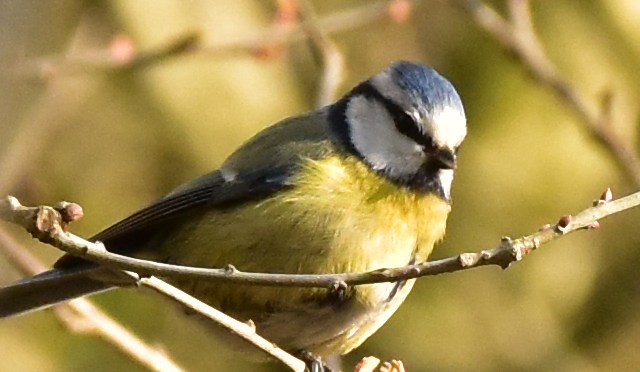
The blue tit is instantly recognizable by its colourful assortment of plumage, which includes blue, yellow, white, and green. In the winter, they can be observed feeding in family flocks and are often joined by other tit species. Blue tits are regularly confused with great tits because they share the same colour feathers. An easy way to distinguish between both species is to look at their marking. The head of the great tit is black and white with a broad black bib that runs centrally through its yellow underparts. Whereas the blue tit has a blue crown, a white face, and black eye stripes. 


Blue tit perched on a branch
Blue tit perched on a branch – photo by Ellie May Forrester

2. Robin

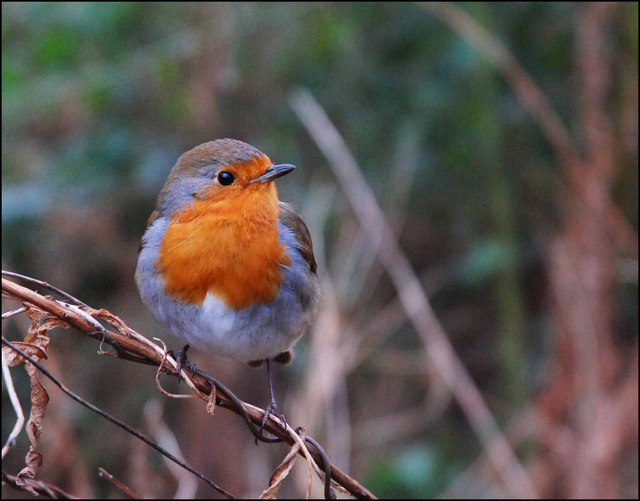
The robin is one of the UK’s most iconic bird species and is immediately recognizable because of its red breast and face it also has a brown feathered back and a yellowish-white belly. Robins have a wingspan of twenty to twenty-two centimetres and can weigh between fourteen to twenty-one grams.  Unlike, the adorable birds that adorn our Christmas cards every year, robins are very territorial and will actively scare intruders away.    


Robin on a branch
Robin by Debbie Turner is licensed under CC-BY-SA 2.0

3. Blackbird

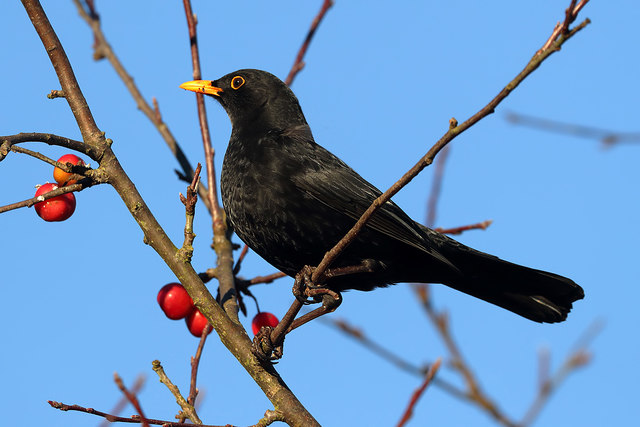
The male blackbird has a yellow-ringed eye, yellow beak, and black plumage. Whereas the female has brown feathers and a brown beak. They eat a wide range of food including earthworms, caterpillars, and berries. Blackbirds are seen often foraging in the undergrowth where they turn over leaves looking for food. 


4. Long-tail tit

The long-tail tit is a small black, white, and pink fluffy feathered bird with a tail that makes up half its body length.  Long-tail tits have a distinctive broad black stripe over their eyes and can be seen in flocks of up to twenty birds. These are gregarious and noisy birds that huddle together throughout the winter. Their flight is weak and undulating as they string from one tree to another. 


Two long-tailed tits sat on branch
Long-tailed Tits by Mick Lobb is licensed under CC-BY-SA 2.0

5. House Sparrow

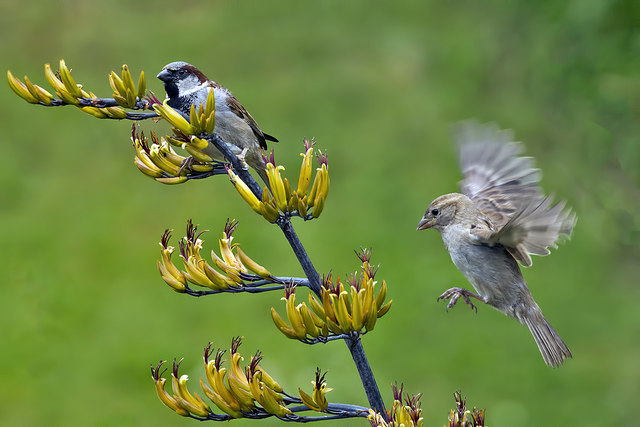
The male and female house sparrows are distinctively different in their markings and colourful  plumage.  Males have a chestnut brown mantle, a grey crown, and a black chin and throat. Females are plain brown with grey under-parts and their back feathers are made up of both black and brown stripes.  Being gregarious in nature has allowed the house sparrow to exploit human rubbish enabling them to colonize the globe.