By stereotyping certain species, we are in danger of creating a competition where only the environment loses out
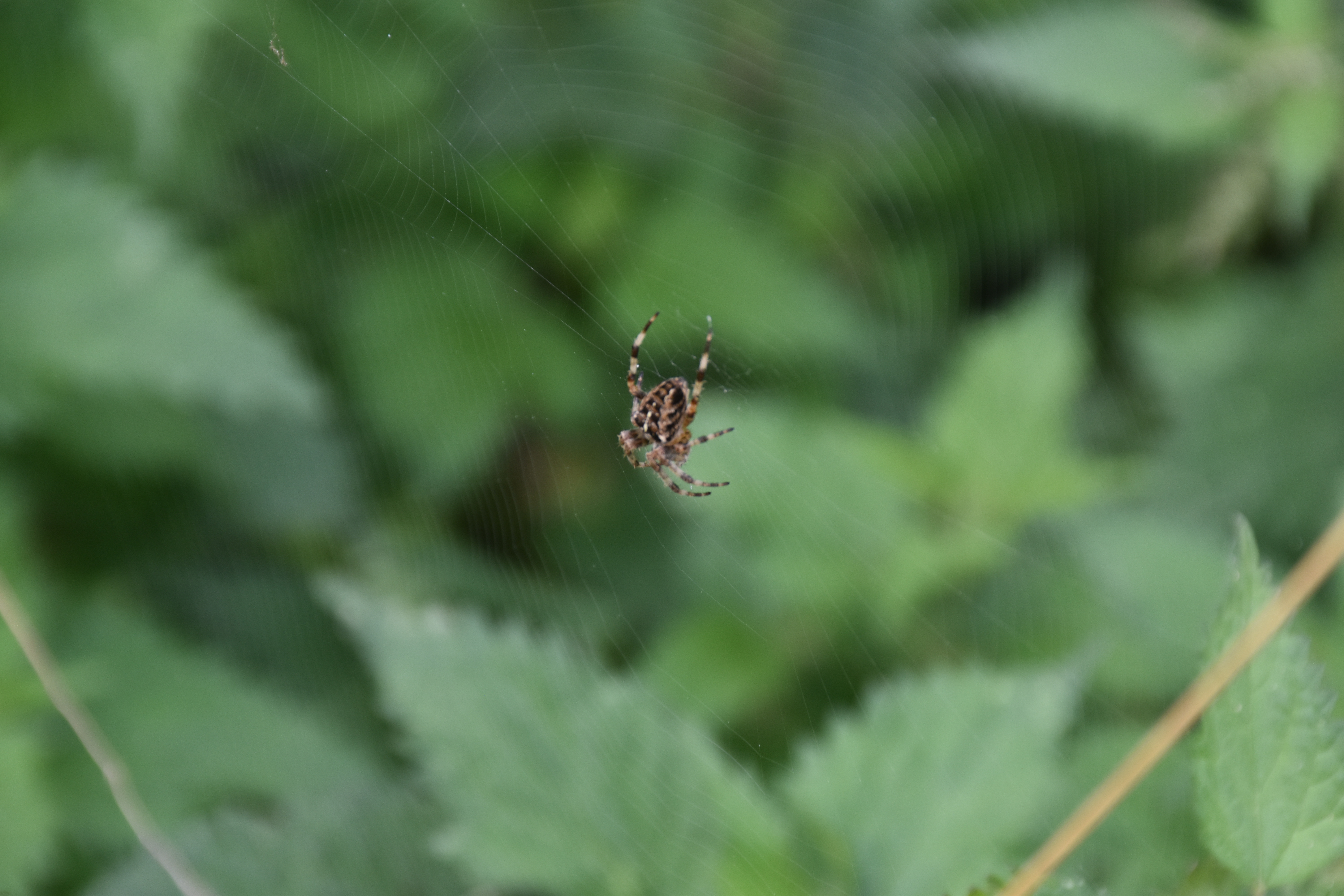
It is that time of the year again when we are all inundated with images of cute snow leopards and spooky spiders. Events like Halloween and Christmas exaggerate the features and behaviour of wild animals by placing human characteristics upon them. By taking this anthropomorphic approach we have created a culture of ignorance regarding our understanding of the natural world. For example, depicted bats sucking people’s blood and polar bears being friends with seals even though they are usually their lunch. The consequence of illustrating wildlife in this way is it results in people developing certain preferences for certain animals and not others. Leaving a dilemma for conservationists when deciding which animals are worth saving and which are not. For instance, people will donate their money to dolphins but not the tuna they rely on to survive. Given the greater awareness of climate change, and habitat destruction is it time to consider whole ecosystems and move away from focusing on just one animal?
Events like Halloween and Christmas exaggerate the features and behaviour of wild animals by placing human characteristics upon them.
The influence of anthropomorphism is deeply embedded in western culture and history from books, religious texts, art, newspapers, films, television, and social media. Some wildlife charities have harnessed this power to ensure that flagship species like tigers can thrive and that donations they will receive only be spent on them and not on other animals within that food chain. Yet other species suffer because of this especially if they are not considered charismatic or attractive in colour or appearance. A study by Frontiers in Psychology in 2020, revealed that unsightly animals such as worms, and rodents, triggered emotions of both fear and disgust because of the potential threat they presented to people’s livelihoods and health. Unfortunately, these animals end up more likely to be splashed all over the tabloids and mainstream media which then creates mass hysteria.
‘I think it impacts positively and negatively because it depends on how that anthropomorphic story is told.’
says, Paul Hetherington, Communications Officer at the charity, Buglife.
‘I think it impacts positively and negatively because it depends on how that anthropomorphic story is told.’
This statement rings true for many ecologists and conservationists who have spent countless years and money to counteract this misinformation. For example, films like Jaws did a real disservice to sharks making them out to be killer beasts that will murder people on mass. However, the likelihood of being attacked by a shark is substantially low. The mainstream media does not consider the different species of sharks and their feeding habits. In a world where the sheer volume of media makes it so easy to access news stories, the question of context and sources is largely forgotten.
‘Bed bugs from Paris invade the UK’, headlines like this immediately create a mania and fear. In a world where clickbait is king and advertising revenue has become a race for survival. Where shares, likes, and hashtags do matter the media has struck pure gold.
‘How people react to it and the impression it has on them can be a powerful tool to get people to understand why insects are what they are and do what they do.’
says, Hetherington.
Adding, ‘They do seem alien to us it is also a very easy way to demonise them. So, it cut both ways.’
Patrica Ganea a psychologist from the University of Toronto stated in an interview for The Guardian in a newspaper in 2016 that giving human characteristics to wildlife is detrimental. Resulting, in incorrect knowledge about an animal’s biological processes and its place in the natural world. Ganea additionally added that it could also lead to irresponsible behaviour such as wanting to adopt the animal as a pet or misunderstanding its action in the wild. These kinds of attitudes towards wildlife stem right back to the physical characteristics and different personalities we have established around certain species.
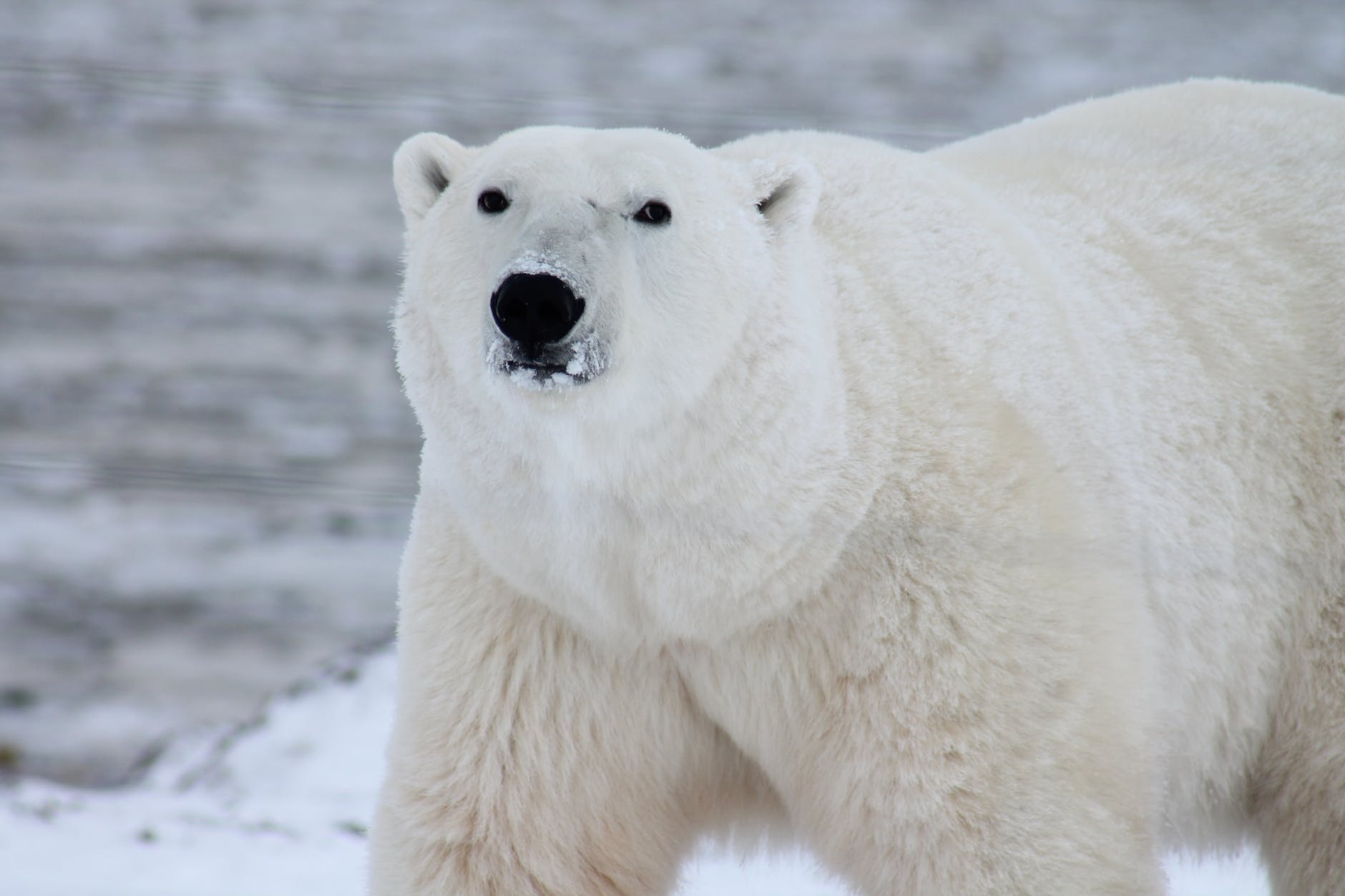
This festive season, we are pounded with advertisements to sponsor polar bears because they are cute, cuddly, and know all about Santa’s secret workshop in the North Pole. The reality couldn’t be further from the truth they are living on borrowed time with the acceleration of melting ice sheets this an issue that won’t repair itself anytime soon.
Maybe we all need to find our inner child again and go back to the basics of the habitats that surround us. It is only the small species that enable the larger ones to survive so spend time reconnecting to nature’s motions and rhymes again. Without your phone and twenty-four-hour news and the misconceptions it presents see the natural world as it is not how its portrayed.


 THE UNTAMED BEAST