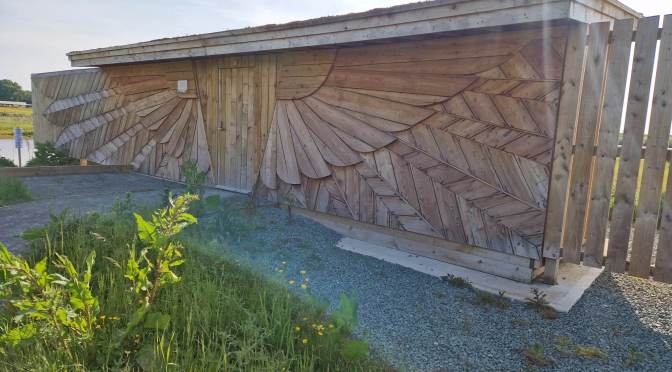
The UK’s third-largest lowland raised peat bog in Shropshire, the Marches Mosses Boglife project, has taken an innovative approach to making the site accessible to all. Both the Shropshire Wildlife Trust and Natural England engaged locally with disabled people to ensure that the 665-hectare site provides a wide range of access, including a bird hide and virtual reality headsets.
The peat bog encompasses the Fenn’s, Whixall, and Bettisfield national nature reserves, Cadney, and Wem moss north of the county. The Marches Mosses are one of Shropshire’s most valuable habitats in the fight against climate change.
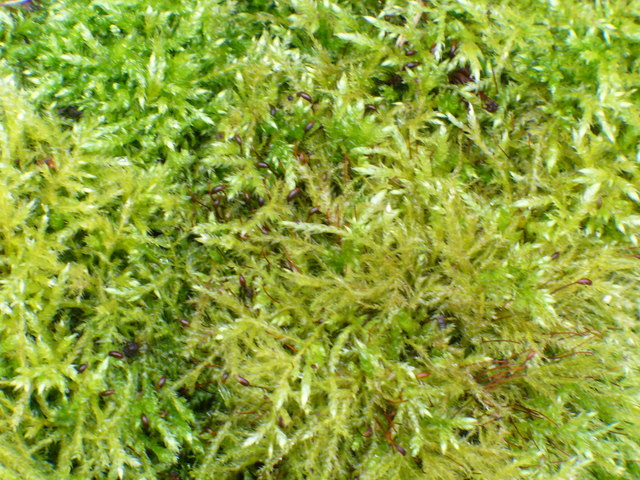
Covering three percent of the earth’s surface, lowland-raised peat bogs are becoming increasingly rare. Lowland-raised peat bogs are formed of sphagnum moss a central building block of peat. Their acidic waters enable specific plants to thrive. The habitat attracts a wide variety of species, including the Snipe, a ground-nesting bird that feeds on invertebrates. The Large Heath butterfly flourishes on the wet acidic peatland throughout its lifecycle.
In 2016, the National Lottery Heritage Fund awarded £5 million to the Shropshire Wildlife Trust. The Marches Mosses project was led by Natural England in partnership with Natural Resources Wales. The three organizations set up an ambitious five-year project to enhance the Marches and Mosses reserve and to restore 665 hectares of peat bog to its former glory, improving the eco-system, increasing biodiversity, safeguarding 1.1 million tonnes of carbon, and finally incrementing all ability access to enable more people to experience the site.
Natural England stated in 2018 that over twenty percent of people with mobility issues cannot access the countryside due to kissing gates and stiles on the public right way.
Sarah Lamb, a Natural England volunteer who has been involved in the Marches Mosses project since 2021 has fibromyalgia and is a wheelchair user, says,
‘I must plan and do some research to see if I can use that route or not. If there is somewhere I specifically want to go and there happens to be a phone number, I’ll try and ring up.’
The Equality Act 2010 states that public open spaces are governed by the law and ‘reasonable adjustments’ must take place where possible enabling disabled people to access nature. The Marches Mosses accessibility has taken several forms from the traditional to embracing new technology. It was important that, throughout the project, the views of disabled people were considered. With the Covid-19 outbreak and subsequent lockdowns, this was not always possible.
‘After it was built, I was asked to go in and have a look at it and see what I thought. The window ledges have been done right but little things, like the catch, were too high. When you opened the window, you couldn’t catch it. They need to be lower because no one with mobility issues is going to be able to open and close them. They changed that quickly, to be fair.’
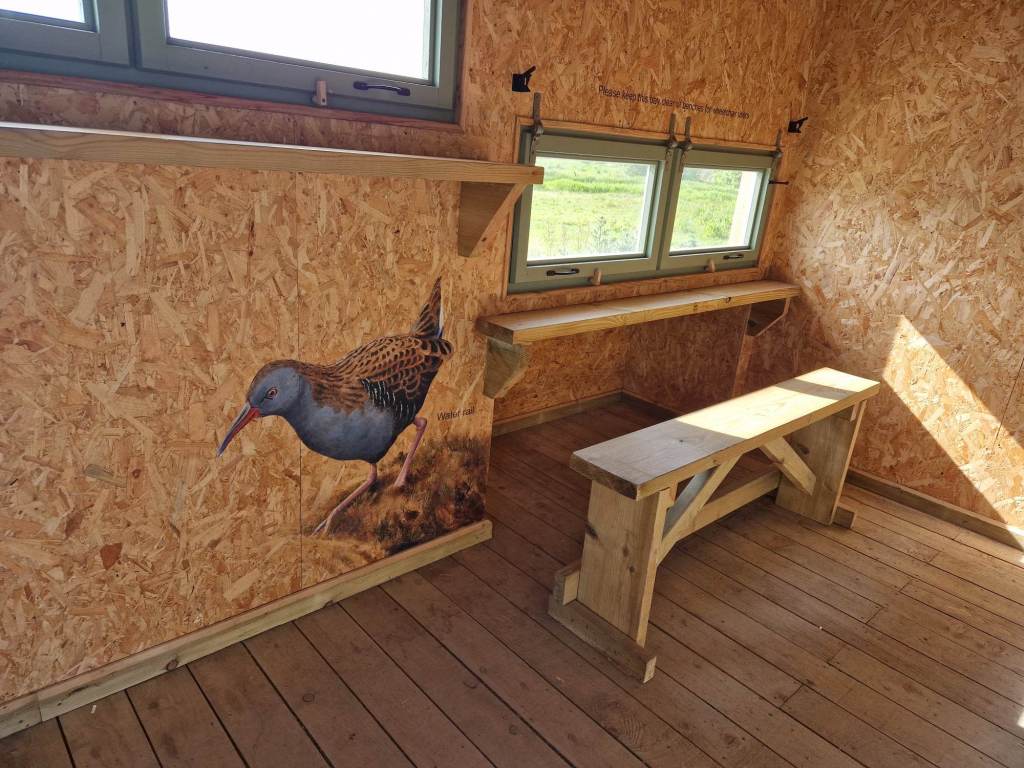
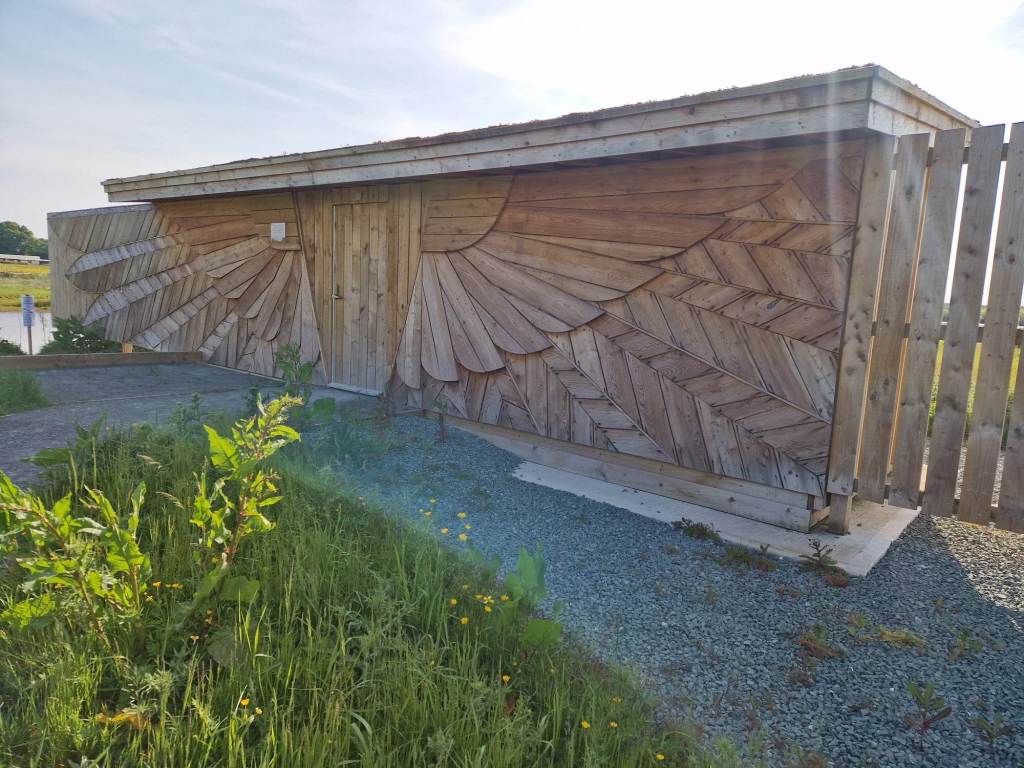
The owl-shaped bird hide was designed by Helen Shackleton and Lloyd Turner. It has wide entrance doors which are accessible for both wheelchair and mobility scooter users. There is a lower latch window enabling people to view birds, to take notes and photographs.
Stuart Edmund, former Shropshire Wildlife Trust Communication Officer, was inspired by the South Wales Wildlife Trust’s use of virtual reality headsets at their headquarters which allow visitors to observe dolphins without disturbing them. He developed birds-eye view drone footage of the peat bog for virtual reality headsets. He believes that this technology enhances the Marches Mosses experience,
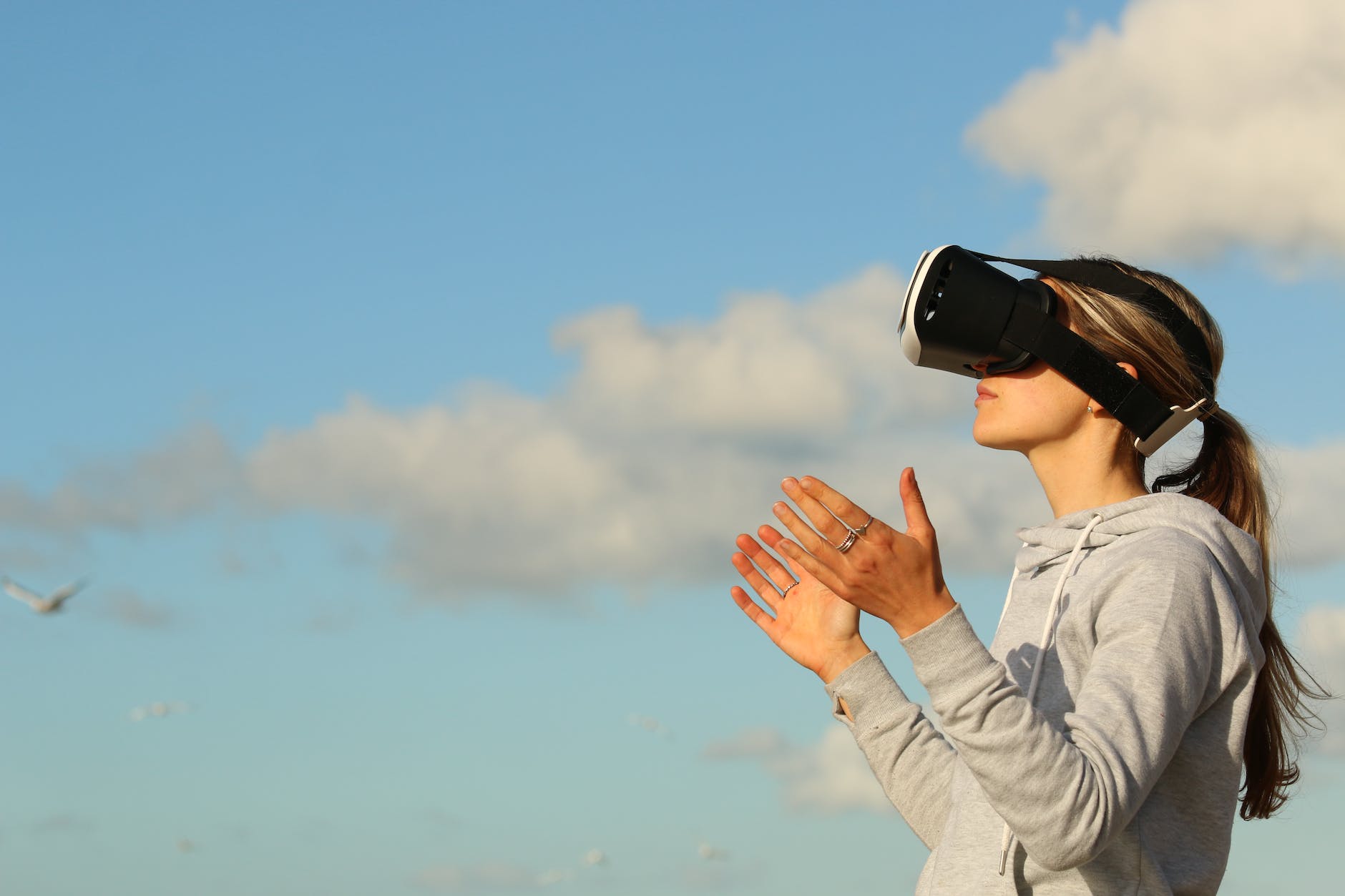
‘Yes, it can play a big part, but it doesn’t replace the experience of visiting nature reserves. Using VR should be part of a package of access improvements.’
Despite all the obstacles which the Marches Mosses project has faced over the last five years, the collaboration has been beneficial to both disabled people and nature organizations.
Anna Martin, former Marches Mosses Event Officer, says,
‘We can do things right from the beginning, which would take away some of the barriers. For me, it is all about people with a lived experience of disability.’

 THE UNTAMED BEAST