Tag Archives: wildlife

Developers are Pushed to Reconsider plans for Contentious Wash Barrage in East Anglia

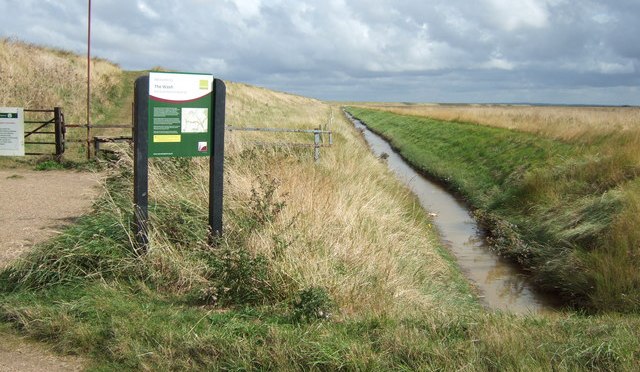
Plans have been put forward on The Wash in East Anglia to build an ‘unworkable’ tidal barrage regardless of the damage it could cause. The estuary would be redeveloped to produce electricity, which will cost nearly double per MWh compared to any modest carbon energy source and have a major impact on one UK’s most important wetlands. 

The RSPB, alongside the Norfolk Wildlife Trust, Lincolnshire Wildlife Trust, the Wildfowl and Wetland Trust, and Wild Ken Hill Estate have joined forces to ask the government and developers to reassess this proposal and to avoid devastating impact on the habitat and wildlife. 

The Wash estuary is home to several species, including England’s largest common seal population, and salt marshes which are feeding grounds for curlews and oystercatchers.  Building a tidal barrage would essentially modify the intertidal habitats that animals rely on.  A barrier would be erected across The Wash’s mouth, altering the tidal flow both in and out of the estuary and might lead to more flooding and substantial coastal erosion.

Businessman, James Sutcliffe, CEO of Centre Port Holdings Ltd, is managing the plans, which now include a deep-water port. Construing a deep-water port in the shallow waters of the Wash could be challenging because intense dredging would need to be maintained. Currently, it’s not clear what impact this would have on the ports of Boston and King’s Lynn. 

Centre Port Holdings Ltd, is planning to bring about a major source of tidal energy to 600,000 homes and businesses, creating local job opportunities such as multi-skilled apprenticeships and working with schools and universities, levelling up the coastal towns of Boston, Skegness, Kings Lynn, and Wisbech.  Additionally, major flood defences are going to be built to ensure the Wash’s nature reserves and wildlife areas do not disappear. This could happen within two generations. 
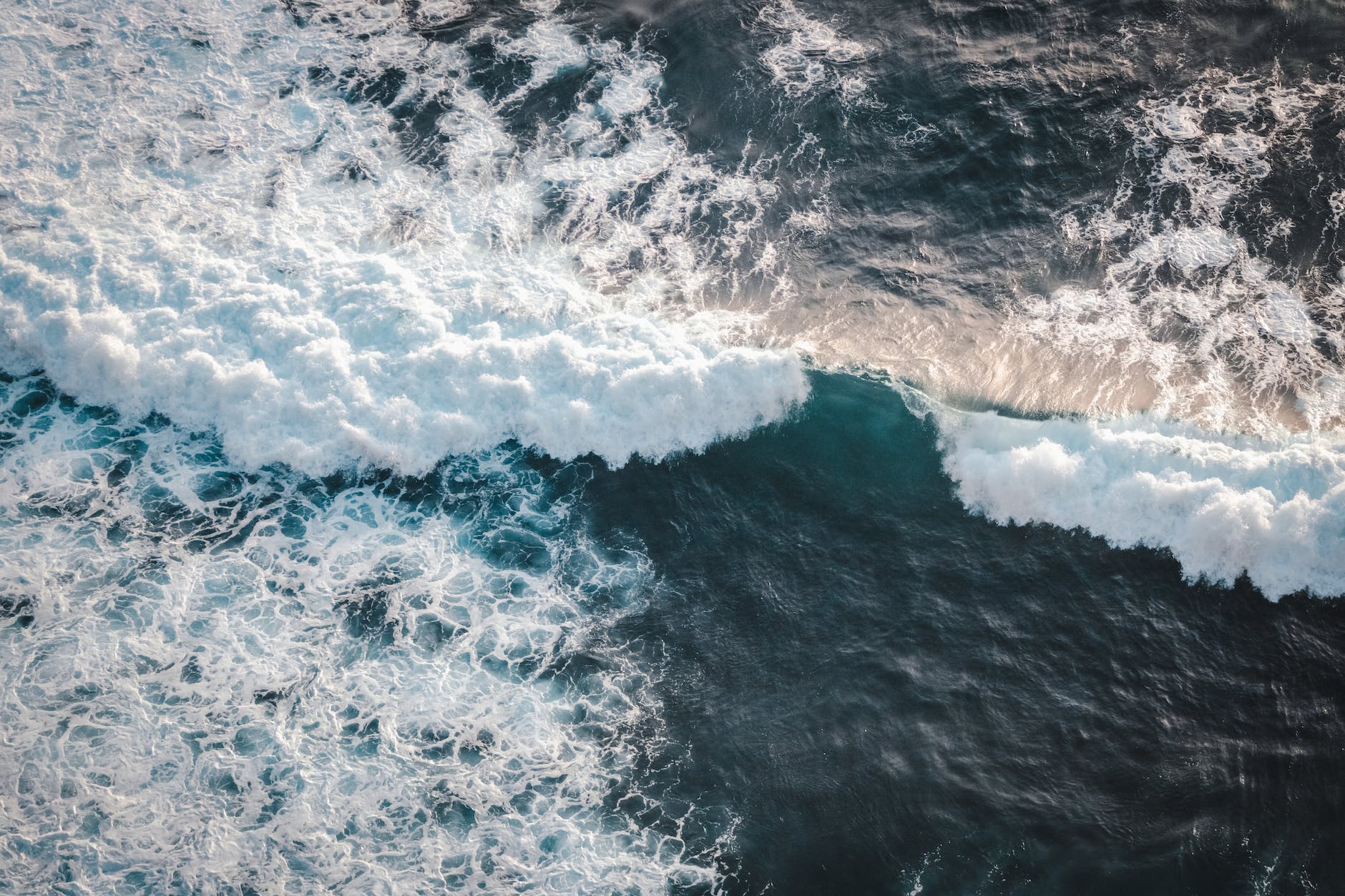
Photo by Stephane Hurbe on Pexels.com

Nick Bruce-White, Director of RSPB England, says

“It’s absolutely necessary to look at where the UK sources its energy and how we produce more of it ourselves from renewable sources, but we have to make sure we’re striking the right balance for nature.

“The Wash is one of the most complex coastal habitats, known for its hydrology and stunning range of wildlife. Spending millions of pounds on assessments and surveys is a waste of time and money that could be better spent on more workable, established solutions to generate green energy, such as wind and solar power.”

Adding,

“Based on the current evidence that demonstrates the destruction this would bring to The Wash, we consider this project a non-starter.”

At a time when the UK is reconsidering its energy strategy and moving towards green alternatives, the balance between protecting nature and addressing the climate crisis is likely to become more complex in the future.
Five British Bird species to spot this Winter


The UK is brimming with spectacular bird life throughout the winter months from gardens to parks, and hedgerows. This is a particularly good time of year to see birds from the order of passerine which can be recognized by their toe formation, with three toes pointing forward and another one facing backward which enables them to perch on branches.

Here are five species to look out for:

  1. Blue Tit

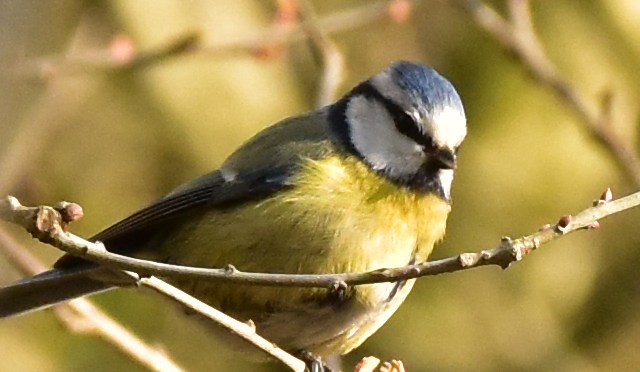
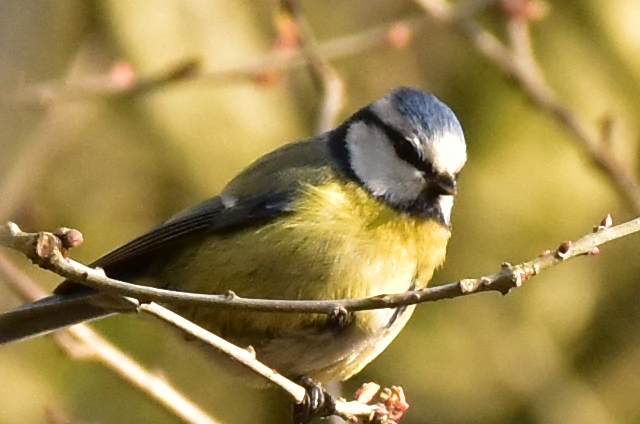
The blue tit is instantly recognizable by its colourful assortment of plumage, which includes blue, yellow, white, and green. In the winter, they can be observed feeding in family flocks and are often joined by other tit species. Blue tits are regularly confused with great tits because they share the same colour feathers. An easy way to distinguish between both species is to look at their marking. The head of the great tit is black and white with a broad black bib that runs centrally through its yellow underparts. Whereas the blue tit has a blue crown, a white face, and black eye stripes. 


Blue tit perched on a branch
Blue tit perched on a branch – photo by Ellie May Forrester

2. Robin

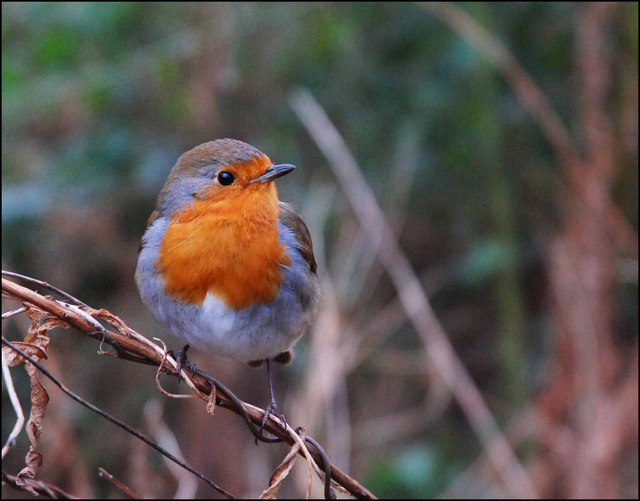
The robin is one of the UK’s most iconic bird species and is immediately recognizable because of its red breast and face it also has a brown feathered back and a yellowish-white belly. Robins have a wingspan of twenty to twenty-two centimetres and can weigh between fourteen to twenty-one grams.  Unlike, the adorable birds that adorn our Christmas cards every year, robins are very territorial and will actively scare intruders away.    


Robin on a branch
Robin by Debbie Turner is licensed under CC-BY-SA 2.0

3. Blackbird

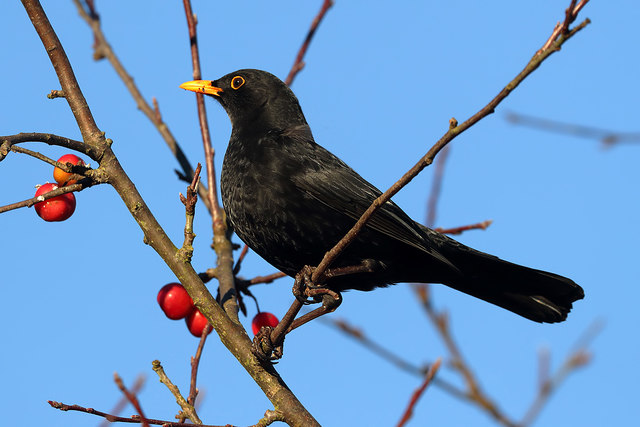
The male blackbird has a yellow-ringed eye, yellow beak, and black plumage. Whereas the female has brown feathers and a brown beak. They eat a wide range of food including earthworms, caterpillars, and berries. Blackbirds are seen often foraging in the undergrowth where they turn over leaves looking for food. 


4. Long-tail tit

The long-tail tit is a small black, white, and pink fluffy feathered bird with a tail that makes up half its body length.  Long-tail tits have a distinctive broad black stripe over their eyes and can be seen in flocks of up to twenty birds. These are gregarious and noisy birds that huddle together throughout the winter. Their flight is weak and undulating as they string from one tree to another. 


Two long-tailed tits sat on branch
Long-tailed Tits by Mick Lobb is licensed under CC-BY-SA 2.0

5. House Sparrow

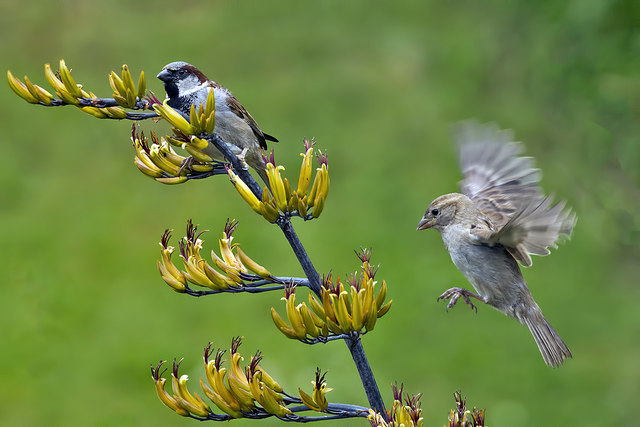
The male and female house sparrows are distinctively different in their markings and colourful  plumage.  Males have a chestnut brown mantle, a grey crown, and a black chin and throat. Females are plain brown with grey under-parts and their back feathers are made up of both black and brown stripes.  Being gregarious in nature has allowed the house sparrow to exploit human rubbish enabling them to colonize the globe. 


Historic First Sentence – For Speedboat Driver Who “Corralled” Dolphins


On the 9th of July 2021, Christopher Barker, 45, from Brompton-By- Saward, North Yorkshire, was seen driving his speed boat, disturbing a pod of bottlenose dolphins feeding near the shore of Scarborough’s South Bay.

This led to an investigation by North Yorkshire Police resulted in Barker being charged with the intention of or carelessly disturbing a dolphin which is an offense under the Wildlife and Countryside Act 1981.  Barker pleaded guilty on the 9th of June 2022 and subsequently had to pay a two-hundred-pound fine plus a victim surcharge fee and prosecution costs bringing the overall total to three hundred and four pounds.

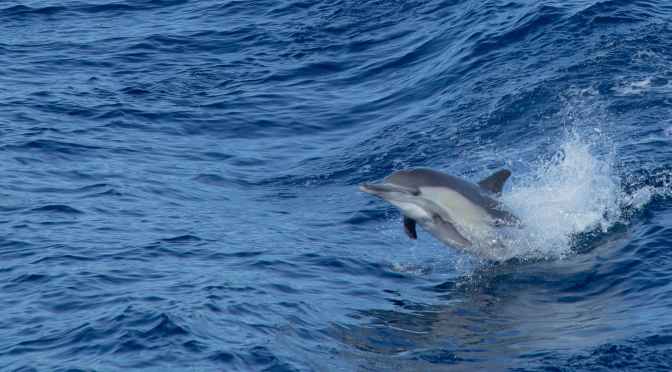
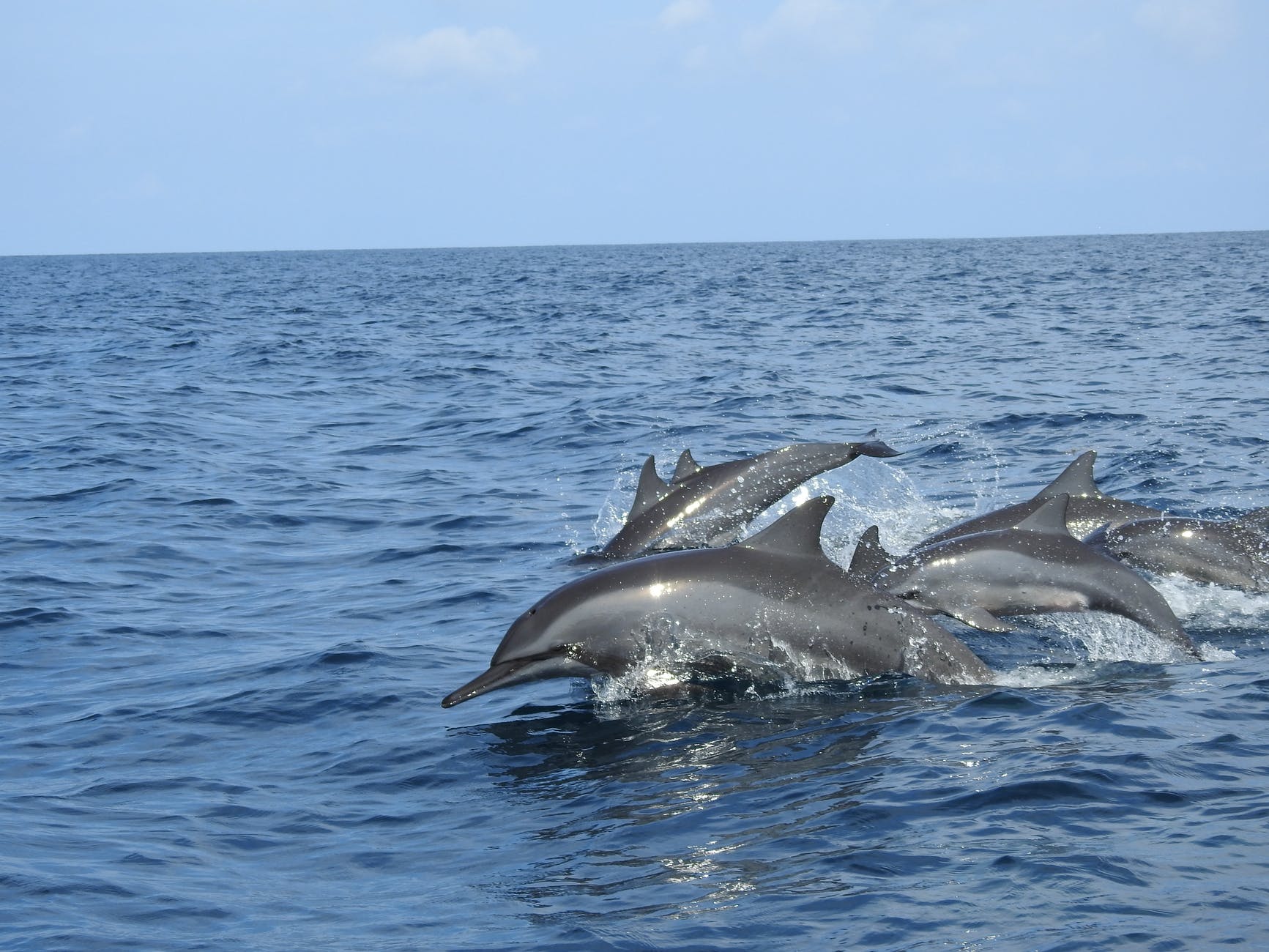
Image descripton – A pod of bottlenose dolphins diving in and out of the waves – Photo by Pexels User on Pexels.com

“Dolphins are an intelligent, social species, often living in large communal groups. Over recent years sightings of dolphins off the Yorkshire coast have increased dramatically, proving popular with locals and tourists alike. But this has also led to an increased risk of human interference”, said, PC Graham Bilton, Wildlife Crime Officer for North Yorkshire Police, who investigated the case. 

In addition, Bilton added;

“Cetaceans such as whales, dolphins, and porpoises are especially susceptible to disturbance, both physically and acoustically, and are legally protected here in the UK.

I urge all boat and watercraft operators to act responsibly and respect the marine environment. We are extremely lucky in North Yorkshire to have such diverse wildlife. It’s important that we enjoy, protect, and live alongside it.

North Yorkshire Police is committed to investigating offences which have a detrimental effect on our wildlife, and I hope that this prosecution underlines that message.”

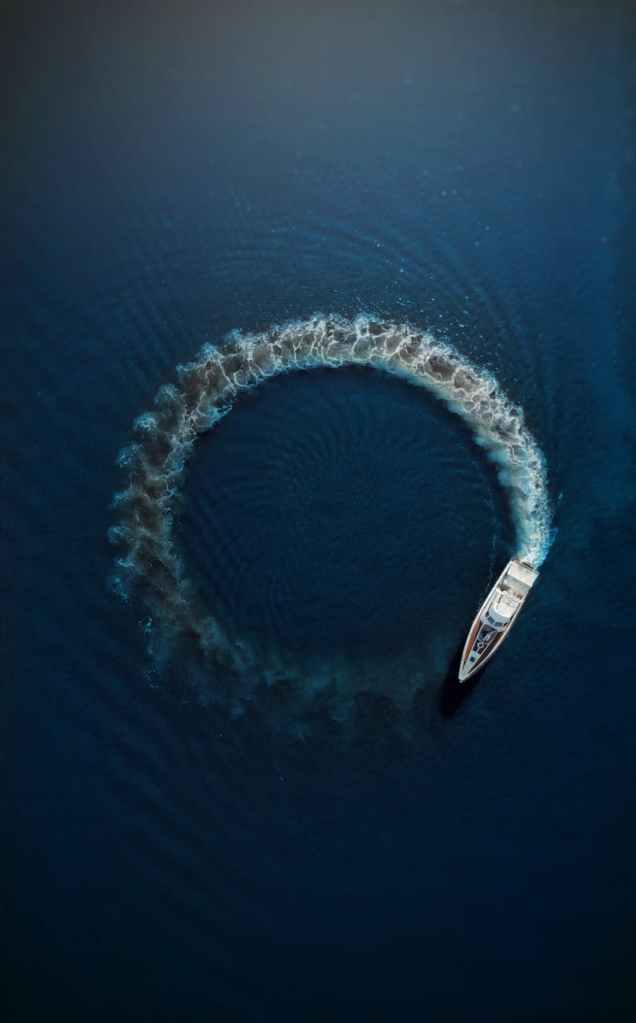
Image Description – A speedboat circling in the sea – Photo by Sanndy Anghan on Pexels.com

Working in collaboration with North Yorkshire Police were other agencies including, RSPCA Operation Seabird, and the Crown Prosecution Service. Enabled a successful partnership that achieved the desired result for all involved. 

Geoff Edmond, RSPCA Inspectorate National Wildlife Coordinator, said,

“This was clearly unacceptable behaviour, and combined determination to investigate the dolphin disturbance, in this case, has been achieved with the help from the members of the public who witnessed this incident and who were themselves very concerned about what they saw taking place.”

The successful outcome in North Yorkshire, however, is not something that has been reflected throughout England and Wales. In New Quay Bay, West Wales within Cardigan Bay Special Area of Conservation, the bottlenose dolphin population are under considerable threat from speed/motorboats.  Research revealed earlier this year that eighteen to twenty-nine percent of recreational vessels have been ignoring the voluntary code of conduct in place to protect marine mammals. The impact of boat traffic on bottlenose dolphins can include death, injury, breeding success, and behaviour changes, for instance, increasing diving intervals.

Historically this case is significantly important because it is the first time that someone has been prosecuted for distressing dolphins. It sets a positive precedent and deterrent. 

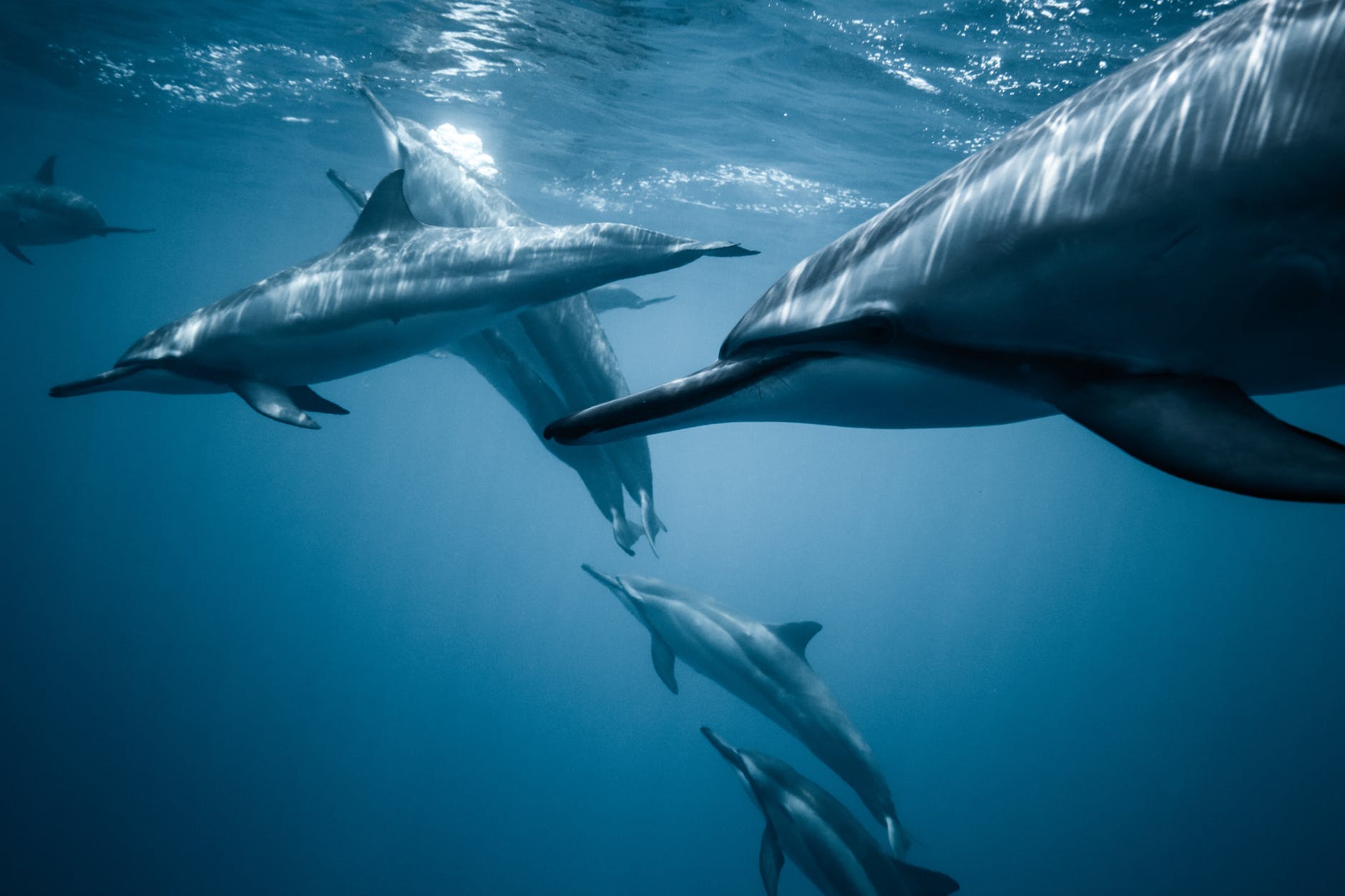
Image Description – Bottlenose dolphin pod Photo by Jeremy Bishop on Pexels.com